Enhancing Water Quality Data Management with Advanced Software
Keeping water data reliable and accessible is harder than it sounds. Between daily operations, aged systems, and resource constraints, facilities often fall back on paper records or spreadsheets. The trouble is, those methods leave gaps. They slow everything down and can open the door to risk, especially when regulators come calling.
More and more Australian operators are moving to automated online monitoring to manage compliance in a smarter, more proactive way. Water quality data management software adds another layer of visibility and accuracy, helping identify problems before they escalate. It’s a shift toward proactive solutions that better support public health and meet regulatory obligations without constantly playing catch-up.
As digital transformation shapes every industry, water management facilities are under pressure to modernise their approach. This means embracing automation, timely analytics, and scalable data solutions to keep pace with increasing regulator and community expectations. Facilities in Victoria that proactively embrace this modernisation can maintain compliance, reduce operational strain, and enhance network reliability for years to come.
Getting Clear on the Data Challenge
Paper logs and spreadsheets were never designed for the complexity of today’s treatment systems. Yet many facilities still rely on them to track chlorine levels, temperature, turbidity, pH, and other critical data points. These manual tools are prone to human error, and they don’t trigger alerts when numbers fall out of spec. That lag between event and action adds risk.
Even the best staff can be limited by outdated systems, leaving gaps in traceability and oversight. Manual records make compiling audit reports labour-intensive, especially as auditors ask for documented evidence of timely monitoring and interventions. The complexity only grows as facilities expand, add new sites, or include advanced treatment technologies.
Victoria’s expanded Safe Drinking Water Regulations (SDWR) 2025, and the national Australian Drinking Water Guidelines (ADWG) continue to raise the standard. Facilities are expected to keep detailed records showing ongoing control and oversight. Regulators want up-to-date logs. Boards want timely visibility. Staff want systems that don’t slow them down. Outdated methods can’t keep up with those expectations.
To further complicate matters, requirements vary based on water source, type of treatment, and local risk profiles. Facilities that serve diverse communities or sensitive sites like schools or hospitals need to manage complex reporting frameworks. This makes modern, dependable systems essential for managing everything from sampling records to automated compliance notifications.
How Advanced Software Changes the Game
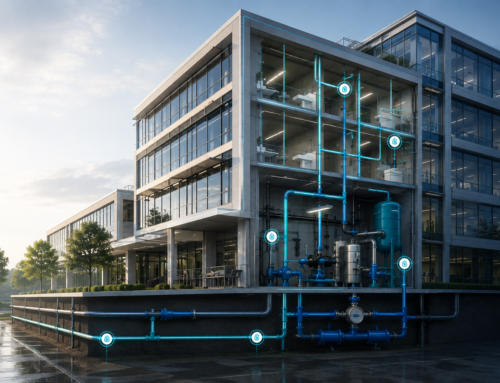
Modern water quality data management software changes the way we monitor and respond. Rather than logging numbers by hand, the system collects data directly from SCADA or PLC feeds already in place across treatment plants. This means that:
- Rapid updates allow ongoing oversight without the lag of manual records
- Key changes in water quality get picked up via automated monitoring, with no extra testing cycle needed
- Role-based, secure cloud dashboards help every person on the team see what matters to them
That means operators aren’t left guessing when a change occurred or what triggered it. Everyone from compliance officers to maintenance leads can access the same clear, accurate data. It streamlines communication, speeds up decisions, and helps avoid breaches slipping through unnoticed.
To help facilities of all sizes adapt, D2K Information’s Information Engine™ software and the integrated CCPWatchⓇ module offer secure cloud dashboards, so operators and managers are never out of touch. Custom role configurations make it easy for each user to focus on the most relevant information, prioritising actionable alerts, trends, or compliance exceptions as needed.
Information Engine™ and CCPWatchⓇ can generate automated data logs for any location, offer site-to-site comparisons, and integrate with existing sensors or SCADA networks for broad compatibility.
Beyond general compliance, the software can automatically archive historical trends for benchmarking, integrate with weather or operational data for context, and support dynamic mapping of sensor locations. Having all this information in one place, standardised and accessible, means issues can be traced and addressed quickly.
Preventing Risk with Predictive Analytics
What sets D2K Information’s smart monitoring software solutions apart is not just speed. It’s insight. Predictive analytics looks at patterns in the data over time to highlight areas of concern before they become failures. This means:
- Loss of disinfectant, temperature drift, or turbidity spikes can be spotted early
- Alerts and reports are triggered automatically when set thresholds are breached
- Daily logs and reports formatted to regulators’ specifications are compiled without manual input
This preventative approach is especially useful for facilities with strict audit requirements. Instead of responding to problems after they have caused a compliance breach, we can act earlier. Predictive models guide that response and help staff gain greater control of their system’s performance.
Predictive analytics relies on timely data feeds, machine learning models, and custom thresholds. Early warnings can be generated when patterns suggest impending problems, such as gradual loss of residual disinfectant or abnormal flow patterns that precede main breaks. This gives teams valuable time to intervene before a minor deviation grows into a major risk.
For larger organisations, centralised reporting can ensure consistent standards across locations, even if operational challenges or asset conditions vary. Predictive capabilities are also flexible. They can be applied to routine daily operations, seasonal fluctuations, or even sudden events like weather-related inflows or supply chain disruptions.
Practical Implementation in Water Facilities
Upgrading does not have to mean starting from scratch. D2K Information designed Information Engine™ and CCPWatchⓇ to work with existing infrastructure. They layer over what is already working, reducing costs and helping minimise operational disruption. In practice, this looks like:
- Data is pulled from current SCADA and sensor feeds, with no new installs required
- Dashboards are configured to match each role’s specific view, helping keep things simple and secure
- Smaller pilots or phased rollouts can be used to train staff and refine workflows
Implementation can move at your pace. Many facilities start with a core set of dashboards and reports, then build out features based on what brings the most value. That makes it easier to bring in analytics and automation gradually without overwhelming the system or the team managing it.
Initial pilots can be deployed at high-risk or high-value sites where early wins can demonstrate value to stakeholders and staff. Incremental adoption, backed by targeted training and regular feedback, leads to smoother transitions and more sustainable improvements.
Smart water quality management software also supports remote configuration and cloud integration, enabling centralised IT support and minimising the need for on-site maintenance. Ongoing updates often introduce new features and security enhancements without major project work, preserving operational continuity and investment value.
Improve Compliance Outcomes the Smart Way
Staying compliant should not mean chasing paperwork or reacting to every issue after the fact. With automated online monitoring in place, consistent compliance becomes the new baseline. Predictive analytics and automated alerts support smarter decision-making and shift teams toward sustained risk reduction.
One of the biggest advantages of modern data management software is its ability to automate reporting to fit specific compliance frameworks. Dynamic templates, automated logs, and validation checks make it easy to document compliance for regulators, boards, and internal audits alike. Information Engine™ securely archives data in the cloud for up to 10 years. This means that reporting cycles speed up and staff are freed from routine paperwork, allowing them to focus on operational improvements and risk reduction instead.
By simplifying the way we collect, view, and report data, water quality data management software supports better outcomes for everyone. Operators can act confidently. Boards can see progress. Regulators get clean records. Most importantly, we all get closer to keeping public health as the number one priority, which is what this work is really about. Preventing issues before they start is what gives facilities the control they have been missing.
Modernising compliance with data-driven approaches also boosts organisational resilience. With central access to all information and the ability to adapt to new standards, facilities are better prepared for legislative changes or shifts in operational requirements. It’s ultimately all about growing stronger and protecting communities for the long term.
Streamlined Monitoring and Reporting for Better Water Quality Outcomes
Move past paper logs and simplify compliance with Information Engine™ and CCPWatchⓇ for proactive, smart monitoring. Our solutions integrate seamlessly with your existing systems to streamline alerts, reporting, and visibility without added complexity. Predictive analytics empowers your team to address potential risks before they become issues. See how our advanced water quality data management software keeps public health as the top priority. Contact D2K Information to see how we can help you stay on top of compliance every day.