Reducing Legionella Risk in Victoria
Legionella risk assessment in Victoria is rising to the top of many safety lists, especially as temperatures shift heading into winter. More facilities are seeing how large weather swings and older systems can create the perfect conditions for a Legionella outbreak. The problem is, traditional methods still dominate. That means periodic checks, handwritten logs, and a long wait between sampling and insight.
Real-time monitoring brings a very different rhythm to water safety. Instead of chasing down issues weeks after they have happened, we get the chance to spot risks before they become problems. Clean data in, clear direction out. This kind of data-driven approach helps facilities move away from reacting and toward a proactive model built on early alerts and tighter controls.
Understanding Legionella Risk in Local Facilities
Victoria’s mix of ageing infrastructure and shifting climate makes it a challenging place for keeping water systems safe. Some risk factors are environmental, such as erratic weather patterns and temperature fluctuations. Others are structural, like legacy plumbing systems or multi-use facilities with varied flow demand.
The most exposed systems tend to be those that involve stored, heated, or complex water flow. These include:
- Cooling towers and evaporative condensers
- Warm water systems in hospitals and aged care
- Storage tanks and systems with low-flow zones
In these settings, stopping Legionella growth means understanding where water sits, how it moves, and the temperatures it reaches. From a public health standpoint, our responsibilities are to protect residents and users and maintain compliance with state health guidelines and reference standards like the Australian Drinking Water Guidelines and the 2025 Safe Drinking Water Regulations.
D2K Information provides cloud-based platforms that integrate seamlessly to monitor water temperatures, detect stagnation, and support ongoing compliance in high-risk environments like Victorian hospitals and aged care facilities.
The Shortcomings of Manual Testing and Delayed Reporting
Many facilities still rely on routine checks and external lab results, which may take days, sometimes longer. That lag between testing and reaction creates gaps. If conditions shift quickly, such as during a rapid temperature drop or equipment failure, systems might remain unsafe without anyone knowing.
The manual workload also invites human error. Operators juggle dozens of tasks. Logging data with pen and paper or into base-level spreadsheets is time consuming and increases stress and fatigue. With inconsistent sampling times and delays in reporting, it is easy to see how threats can go undetected.
More than anything, the problem with manual systems is silent escalation. If water conditions become favorable to Legionella growth between sampling windows, there is no early warning. That is why relying solely on periodic checks places facilities in a reactive position.
Real-Time Monitoring as a Preventative Approach
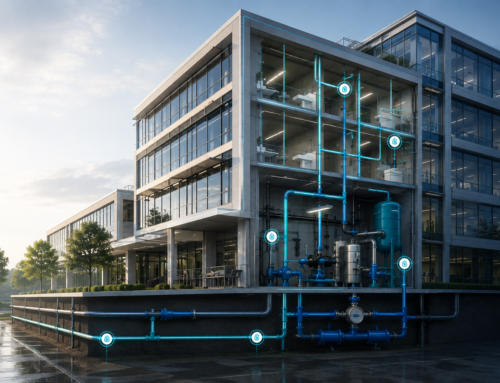
Real-time monitoring changes this approach. By installing sensors that continually track temperature, residual disinfectant, and flow rates at key points, we get live visibility into conditions as they change. Early warnings reduce the risk of exposure by hours, days, or even weeks.
Facilities using real-time monitoring have caught subtle temperature drops in warm water systems before they created a breeding zone. In other cases, stagnant zones in underused piping were flagged automatically for flushing without waiting for a monthly test.
D2K Information’s CCPWatch system delivers SMS or dashboard alerts when water conditions fall outside target ranges, ensuring Victorian operators act early to prevent risk escalation.
Adding this level of continuity changes the operational experience. Data is always current. Alerts are clear and delivered instantly to the right people, whether that is via SMS or dashboard notification. With faster insights comes faster action, resulting in fewer close calls and a stronger grip on water safety.
Tapping Into Predictive Analytics to Stay Ahead
Once live monitoring is in place, predictive analytics takes things further. It helps identify patterns, such as individual system behaviours, seasonal trends, and operator responses.
With predictive models, we stop reacting to what just happened and start preparing for what is likely next. For example, if a cooling tower historically trends toward unsafe temperatures during certain months, the system can flag it ahead of time, not after the fact.
Smart dashboards pull together years of data and turn them into meaningful forecasts. That helps operators allocate resources, plan cleans, or dispatch maintenance before system health drops. Everything works better as a network when alerts inform action rather than just responding to it.
D2K Information offers predictive analytics consultancy to help Victorian facility managers identify repeat risk cycles and implement targeted Legionella prevention strategies.
Strengthening Compliance and Protecting Public Health
Every facility must show it is taking the right steps, both to its users and to regulators. Compliance automation becomes key when included as part of a regular legionella risk assessment in Victoria.
Automated systems can generate the daily logs and audit records now expected under updated state and national frameworks. Reports are standardised with timestamps and source trail intact. This removes the scramble of gathering paperwork during audits or responding after an incident.
Role-based access gives relevant team members only the records they need, keeping the flow of sensitive information controlled and efficient. More importantly, public health remains the focus, not just after a concern develops. These layers of data act as both prevention system and proof, showing a consistent effort toward early prevention, not late response.
Building Safer Systems with Smarter Monitoring
It is easy to think water safety is mostly about the equipment. But it is the way we manage risk using timing, insight, and decisions that carries the most weight. By pairing real-time monitoring with predictive analytics, we stay ahead of issues and reduce that constant sense of catching up.
Regular reviews of system summaries help spot gaps before they widen. Real insights replace guesswork. With better information, we avoid wasteful over-treatment, while still meeting targets set by Australian Drinking Water Guidelines and the relevant compliance bodies.
Facilities in Victoria have the chance to lead this shift. Not by overhauling completely, but by moving away from reactive models and into smarter tools that make safety more certain. With every alert received promptly and every maintenance decision backed by trends, we are not just managing risk, we are reducing it.
As winter approaches, the safety of critical systems should not be left to chance. By adopting smarter water monitoring tools that provide live insights and timely alerts, you can take control where it matters most. Facilities across Victoria are already seeing the benefits of early warnings and quicker responses with a proactive approach. See how real-time data, predictive analytics, and compliance automation can support your next legionella risk assessment in Victoria. Contact D2K Information today to discuss your unique water monitoring needs.