Reducing Legionella Risk through Advanced Water Monitoring
Managing the risk of Legionella in water systems is like trying to keep a small boat steady in a sea of regulations and safety guidelines. Legionella bacteria, which can lurk in water systems, pose serious health risks, especially in places like hospitals and aged care facilities. Staying ahead of these risks is important for public health. Yet, with mounting rules and the threat of outbreaks, staying compliant has become more challenging. Ensuring water safety is not just about ticking a box. It requires strong systems that stop issues before they even start.
The reality is this: dealing with complicated compliance demands while trying to protect public health can feel overwhelming. That’s where modern water quality monitoring becomes a real game-changer. With real-time monitoring in particular, facilities can spot Legionella risks before they grow into bigger problems. This type of system helps cut through the manual workload and offers a practical and forward-thinking approach to managing safety concerns at scale.
Real-Time Monitoring Advantages
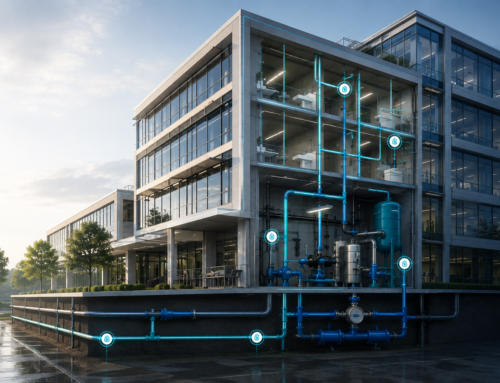
Trying to catch water quality issues without the right setup is like searching in the dark. Real-time monitoring systems light everything up by providing instant insights into your highest-risk water areas. These systems help facilities identify potential Legionella threats as soon as they appear and trigger immediate response actions where needed.
With a real-time monitoring setup in place, key benefits include:
– Alerts delivered straight to operators and supervisors the moment something goes out of spec
– Up-to-date data that’s aligned with critical health and safety thresholds
– Continuous visibility that helps stop small issues from snowballing into major problems
Real-time monitoring gives you the data you need, when you need it. No guesswork. No delays. From the moment water quality shifts, your team gets notified and can act right away. That gives confidence not just in response time, but in knowing that silent risks like Legionella aren’t festering unnoticed.
Rolling this into an existing routine can help reduce pressure on your team. There’s no need to manually chase data points or second-guess readings. It creates a smoother, more dependable approach to staying compliant and keeping people safe around your water systems.
Predictive Analytics in Water Quality
Looking ahead helps facilities do more than react. Predictive analytics uses historic and real-time data to forecast where issues might break out next. It gives operators the opportunity to fix problems before any symptoms show up. Think of it like getting a weather report, but for your water systems.
Rather than waiting for warning signs, these digital systems look at patterns that tell us if Legionella risks are brewing. With that foresight, facilities can make informed changes to maintenance schedules or tip off inspection teams to focus resource where it matters most. The knock-on effect includes:
- Spotting at-risk systems faster
- Forming stronger and more strategic maintenance plans
- Backing decisions with data your entire team can trust
Predictive analytics arms you with smart foresight. It lets you stay on offence, not defence, which is a big shift from how many organisations have historically handled water quality. This kind of early insight supports direct action and aligns with the idea of keeping public health as the top concern, not just for now, but long-term.
Compliance Automation and Reporting
In Australia, meeting official water standards can be complex and taxing without the right tools. Traditional methods often depend on paperwork, manual logs, and repeat tasks that waste time and still leave room for error. When systems are outdated, keeping up with regulation is a serious strain.
Automated compliance changes that. It streamlines every step involved in proving a site is meeting the mark. Key features include:
– Ready-made audit reports that reduce chaos during inspections
– Locked data logs that meet traceability demands by regulators
– Time saved by removing manual data entry and repeated report building
Instead of chasing down paperwork or second-guessing report versions, facility teams can focus on their jobs knowing the audit trail is already clean and ready. In a space where compliance is mandatory, automation doesn’t just improve performance; it strengthens your position with regulators and boosts confidence across internal and external stakeholders.
Implementing Advanced Monitoring Solutions
One of the biggest concerns we hear is the fear that upgrading to a smarter monitoring platform might mean tearing everything down and starting from scratch. The good news is, it doesn’t. Most new systems are designed to slide right into your existing setup.
Here are key steps to get started with minimal disruption:
– Review the current infrastructure to pinpoint where integrations make sense
– Schedule light training workshops so your team knows how to use the system well
– Roll the solution in phases, starting with the most important risk points first
Once live, these systems start feeding in real-time data, reducing reactive tasks and helping the business move toward better long-range planning. And because most of the technology works with what you already have, no huge structural changes or budget shocks are required.
Facilities that make this move see big wins in both performance and operational confidence. It marks a shift from firefighting to future readiness.
Keeping Public Health the Number One Priority
Staying one step ahead of Legionella isn’t just about audits and equipment; it’s about building a mindset focused on prevention every day. By putting in systems that automatically spot and report risks, facilities are protecting more than compliance records. They’re protecting lives.
The value of expert-driven recommendations also can’t be overstated. Ongoing advice helps managers adjust and improve strategies without having to reinvent the wheel each time. That level of technical support ensures continuous improvement and a reliable standard of care over time.
When water safety strategies focus on forecasting and prevention rather than response and repair, the gains stretch much further. Facilities can build trust with their communities, regulators, and internal teams by showing that public health is more than a talking point. It’s central to how they operate.
Adopting smart, integrated monitoring platforms is a clear move toward reducing risk and improving outcomes. With features like real-time alerts, predictive analysis, and automated reporting, your facility goes from simply meeting standards to leading with a stronger, more futureproof approach to water safety.
To stay a step ahead in ensuring water safety, embrace cutting-edge solutions with D2K Information. Discover how our real-time water quality monitoring system can transform your facility’s approach to water management and public safety. Let us help you take charge and protect your community with proactive, data-driven decisions.