How Real-Time Monitoring Protects Utilities from Water Safety Risks
Keeping water safe has never been more demanding for Victorian utilities. With increasing compliance pressure and less margin for error, every decision carries weight. Old routines can struggle to keep up. That is where automated online monitoring comes in. By giving us timely visibility into what is happening inside water networks, we get facts instead of guesswork.
As water moves through the network, small disruptions in things like pressure, turbidity, or chlorine levels can lead to big risks. The longer these signs go unnoticed, the harder they are to fix. Automated online monitoring helps detect these issues before they grow. We can respond faster, reduce risk to public health, and stay ahead of compliance standards with confidence. Today we’ll look at the limitations of traditional monitoring methods, how smart monitoring enables utilities to improve water quality outcomes, and how this fits in with the current Victorian regulatory environment.
The Challenge with Traditional Monitoring Methods
Manual testing and visual checks remain common in many utility networks. While familiar, these methods often leave room for delay, gaps, or missed issues.
Using traditional monitoring leaves teams playing catch up, due to limitations such as:
- Infrequent sampling intervals: This creates lag time between a change in water conditions and when we actually see it on paper.
- Slower response times: Waiting for lab results and chasing up manual records risks breaches during high-risk conditions like summer heatwaves or heavy rainfall events.
- High risk of human error: Staff might miss a log, record a wrong value, or fail to flag something minor that turns into a bigger concern later.
These small cracks add up. They increase the chance that something hazardous slips by unnoticed. They also make it much harder to prove compliance when auditors ask for clear records with a proven paper trail.
How Automated Online Monitoring Makes a Difference
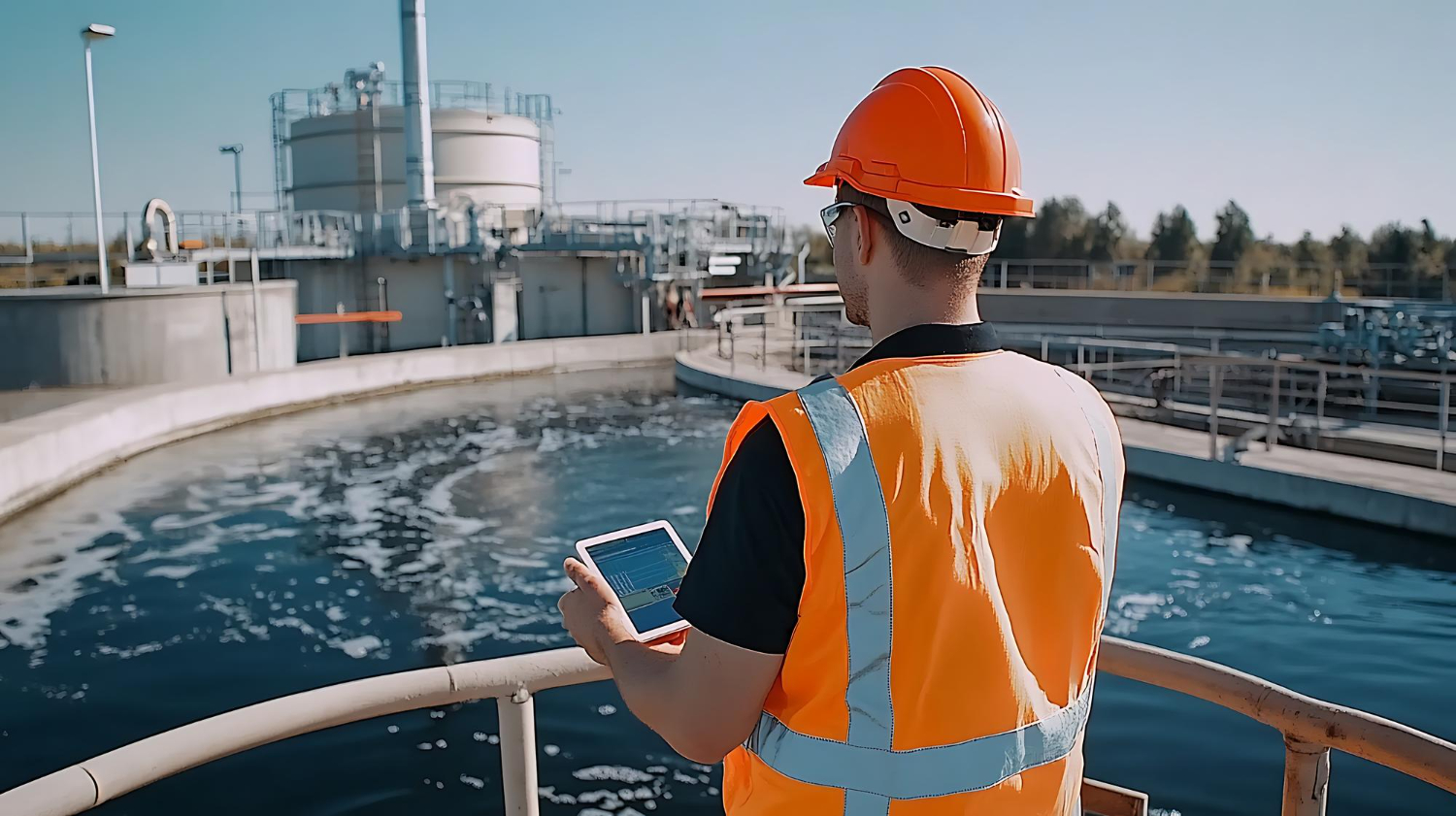
Automated online monitoring changes the pace of operations. It installs a safety net that is always on, always logging, and ready to rapidly alert us when readings go out of spec.
D2K Information custom-designed the Information Engine™ software and the integrated CCPWatchⓇ module to help utilities reliably achieve water quality targets and safeguard compliance.
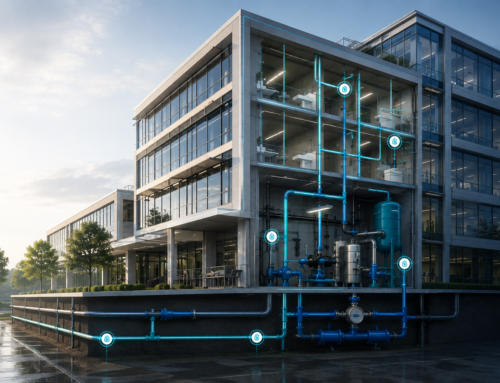
This automated online monitoring solution connects directly to your existing SCADA or telemetry sensors, meaning no infrastructure overhaul is necessary. Once connected, Information Engine™ and CCPWatchⓇ monitors water quality at critical control points (CCPs) across the network at a configurable interval, from seconds to longer intervals if desired.
If a value breaches its set limit, the software sends out SMS or email alerts instantly to relevant staff. That gives us a chance to isolate a risk before it spreads. The limits can be directly mapped to Safe Drinking Water Regulations (SDWR) 2025 and Australian Drinking Water Guidelines (ADWG) targets, supporting reliable compliance outcomes.
With Victorian utilities now obliged to monitor CCPs across the entire network for the first time, and to maintain water quality in line with the ADWG’s microbial health-based targets (HBTs) framework, this kind of timely visibility is a gamechanger. It allows teams to move from delayed reactions and into fast, informed decision-making.
Data-Driven Decisions Backed by Predictive Analytics
Staying ahead of breaches takes more than just watching readings. Predictive analytics brings in a different edge, the ability to spot what might happen next.
By tracking historical data over different seasons and locations, Information Engine™ and CCPWatchⓇ can identify warning signs and risks. For instance, if chlorine levels show a consistent slide over two weeks, predictive models can flag that trend so we can act before the readings drop below safe residual levels.
Instead of reacting to a loss of pressure or chlorine hours after the fact, we can therefore address weak points early using data-backed insights. This predictive reporting allows teams to spot patterns that help prevent faults before they turn into major incidents, which is especially valuable during seasonal demand swings.
Achieving Compliance Through Automation and Reporting
Automated online monitoring does not just keep water in check. It simplifies compliance reporting and keeps records ready at all times.
The software automatically creates logs that are configured for reporting in line with SDWR 2025 and ADWG specifications. Safe Drinking Water Act (SDWA) Section 22 reports are likewise generated automatically when required, reducing the admin load on staff.
Information Engine™ and CCPWatchⓇ store data for up to 10 years in a secure cloud dashboard. Access is role-based, meaning only the right people can view or edit them. Another advantage is data traceability. Every log entry is recorded to an immutable audit trail, meaning nothing gets lost, changed, or missed over time. That makes audits smoother and removes any question about the source and accuracy of the data.
With such automated systems in place, compliance stops being a burden and instead becomes a natural output of how the system works. Less admin, fewer surprises, stronger confidence during inspections.
Real-World Application and Long-Term Gains
As utilities shift to automated online monitoring, the day-to-day pressure lifts. Problems do not pile up. Instead, they are noticed early and fixed early. Reactive maintenance becomes less frequent because we are no longer waiting on symptoms, we see the early clues and investigate from there.
Staff spend less time chasing paperwork or performing repetitive checks. That energy goes into improving system performance instead.
This kind of preventative approach is where the biggest changes show up. We are not just meeting the standard, we are building a network that anticipates trouble rather than chasing after it.
Safer Water Starts with Smarter Systems
We do not have to operate on delays, assumptions, or outdated logs. Automated online monitoring brings clarity to water quality management. It connects us directly with the signals that matter and gives our people the tools to respond with confidence.
By using predictive analytics and automating compliance tasks, we move from reacting to problems to preventing them outright. We can focus more on improvement, and less on damage control.
When public health is our number one priority, this shift matters. With smarter coverage and constant monitoring, safer water is not left to chance, it is built into how we manage every day.
For Victorian utilities striving to enhance their water safety systems, implementing a robust critical control point monitoring strategy is crucial. This approach provides the reliable oversight needed to anticipate and address potential risks proactively. At D2K Information, we understand the importance of having the right tools in place to maintain compliance and protect public health. Reach out to discuss how our solutions can empower your team to monitor and manage your water systems effectively.