Preventing Legionella in Healthcare with Effective Testing
Managing compliance in a healthcare facility is not always straightforward, especially when it comes to water safety. Risks like Legionella require constant attention, and relying on monthly or quarterly checks alone often means finding problems too late. That is where smarter tools such as automated online monitoring and predictive analytics come into play. They help shift operations from reacting to water quality issues to preventing them altogether.
A strong Legionella risk assessment in healthcare facilities is not just about ticking a compliance box. It is about protecting patients and staff every day. This article examines why frequent testing matters, what areas pose the highest risks, and how a proactive approach with the right tools leads to safer outcomes.
Understanding Legionella and Healthcare Risk Zones
Legionella bacteria grow in warm, stagnant water. When inhaled through mist or spray, they can cause serious illness, including Legionnaires’ disease, which affects compromised immune systems especially hard. That is why healthcare facilities are particularly vulnerable, they house people who are already unwell or at higher risk of infection.
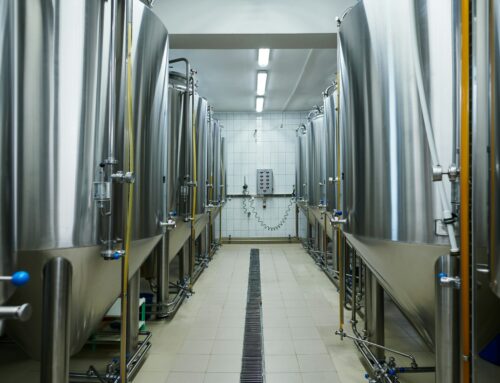
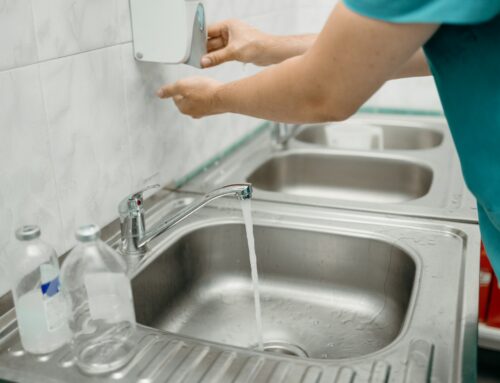
Research confirms that Legionella pneumophila can persist in hospital hot water systems for years, remaining viable even at temperatures traditionally considered safe. Certain parts of a building are more prone to harbouring these bacteria, so knowing where to look is essential. Low-use taps and showerheads allow water to sit still. Warm loops in plumbing systems that hold water between 20 and 45°C create ideal growth conditions. Dead ends in pipework or storage tanks that are not flushed regularly become persistent risk zones.
Carrying out regular, detailed inspections helps identify these risk spots before they become problems. A site-specific approach works best. Each facility has its own characteristics, and the assessment needs to examine how the water system is used day to day. This brings accuracy to any legionella risk assessment in healthcare facilities and makes prevention more reliable.
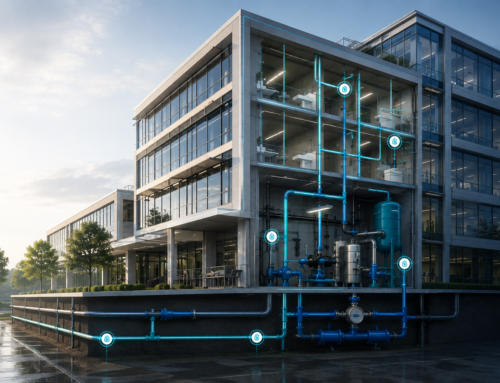
D2K Information’s custom-designed Information Engine™ software and the integrated CCPWatchⓇ module includes automated temperature monitoring and reporting solutions widely used in aged care and health facilities to help pinpoint risk zones automatically.
Testing That Goes Beyond Compliance Checkboxes
Traditional Legionella testing is typically done by sampling water at key locations and sending it to a lab, which can take days to return results. This approach meets baseline compliance, but it leaves a gap between problems occurring and operators knowing about them.
Healthcare environments move fast. Water systems are used around the clock. Relying on a snapshot once a month is risky. What if conditions changed yesterday?
Automated online monitoring fills in those gaps. It does not just show when something has gone wrong; it helps track control conditions like temperature and flow in the moment. That is critical, especially with growing expectations from health bodies. Regulators increasingly want proof that facilities are watching closely and taking action continuously, not just performing periodic checks.
A strong testing plan now combines both approaches. Grab samples are still necessary, but sensors provide a much fuller picture. That is better for safety, and it means facilities are more audit-ready and less likely to miss issues until it is too late.
CCPWatchⓇ temperature, flow, and chlorine monitoring can be installed across Critical Control Points and monitored through the Information Engine platform, which is designed for Australian healthcare requirements and generates instant audit reports at the click of a button.
Automated online Monitoring for Early Detection and Safer Outcomes
Automated online monitoring systems maintain timely visibility over water conditions. By consistently measuring parameters such as temperature, flow rate, and disinfectant levels, the system provides updates every 2 minutes. If any reading moves outside the expected range, alerts are dispatched instantly.
Operators are notified the moment something changes. Temperature drops and poor flow can be corrected before bacteria accumulate. Chlorine dips or biofilm alerts are handled before users are exposed.
CCPWatchⓇ is built to align with national standards, including the Australian Drinking Water Guidelines (ADWG) and the Safe Drinking Water Regulations 2025 (SDWR 2025), so readings are measured against established safety values, not just custom thresholds.
One facility might detect a sudden decline in water temperature over a weekend. With alerts in place, a technician can check pipes before staff or residents return. That immediate response would not be possible with a monthly check or a delayed lab report.
Timely data provides more than speed. It provides confidence. The quicker small issues are identified, the less likely they are to become major incidents.
Predictive Insights That Strengthen Long-Term Prevention
Reacting quickly is not enough. The goal is to see ahead. That is what predictive analytics within the Information Engine platform delivers.
By reading patterns in the data, the system can detect trends that signal a problem might be forming. Has the temperature in one loop been dropping more frequently this month? Is chlorine consumption running higher without a known reason? These are signs that something is not working as intended.
Decisions then become much more than guesswork. Flushing and disinfection schedules can be adjusted based on actual usage patterns. Maintenance can be prioritised where the data shows recurring risks. Upgrades can be scheduled when it becomes clear that problems are starting to develop.
For facilities working toward Health-Based Targets, the Information Engine platform supports QMRA and DALY calculations, providing the quantitative framework needed to demonstrate that treatment barriers are achieving the required pathogen reduction outcomes, including 6-log virus, 5-log bacteria, and 4-log protozoa reduction targets.
Predictive analytics enable early action and smarter planning. For healthcare operations, that means better safety and fewer disruptions. It helps maintain care settings without scrambling to fix things after the fact.
Smarter Compliance with Automation and Reporting
Meeting audit requirements takes time, unless the systems in use do more of the work. Tools built with compliance automation create records continuously, rather than leaving staff to write things down manually or chase old spreadsheets.
Section 22 of the Safe Drinking Water Act addresses what happens when drinking water contamination is suspected or confirmed. Officers must immediately provide a verbal report to the Department of Health, followed by written documentation as soon as possible. Regulation 20 requires that sample analysis results indicating non-compliance or health risks be reported within 10 days, including details of actions taken or proposed.
The Information Engine platform generates Section 22 and Regulation 20-ready logs updated each day automatically. Secure dashboards store reports for up to 10 years. Permission-based access ensures the right people receive the right views.
Tracking conditions rapidly is not just about fixing problems. It is about proving attention has been paid all along.
Automation does not replace people. It cuts the administrative burden so staff can focus on decisions, not paperwork. When audits come around, there is no scramble. Everything is where it should be.
Safer Healthcare Starts with Smarter Water Oversight
For healthcare settings, where trust and safety are non-negotiable, prevention has to lead. Legionella isn’t just a technical issue. It’s a patient safety concern, a compliance risk, and a test of how well operations are managed.
That’s why strong testing must go hand in hand with smart monitoring and planning tools. The more we rely on timely insight and predictive thinking, the better we can protect people every day.
Putting water quality monitoring at the centre stage keeps public health as the number one priority. A preventative approach backed by data-driven decisions is no longer a nice-to-have; it’s how we stay ahead and stay responsible.
Staying ahead of water safety risks means moving beyond reactive approaches and embracing smarter solutions designed for prevention. When your facility is ready to streamline compliance, reduce audit stress, and actively safeguard high-risk areas, it all starts with a well-planned legionella risk assessment in healthcare facilities. At D2K Information, we bring rapid insights and compliance automation together so you can take action early and confidently. Let’s discuss how our data-driven solutions can support your preventative strategy. Reach out to get started!