Sydney’s Path to Sustainable Water Solutions
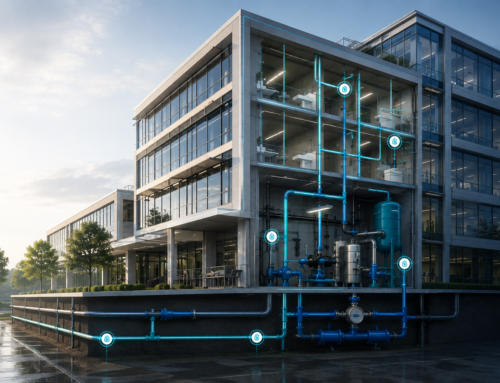
As urban areas in Sydney experience population growth and unpredictable weather patterns, traditional water sources face increasing pressure. Water recycling is one innovative approach to meeting Sydney’s growing water needs without straining existing natural sources.
Recycled water isn’t just a solution for water scarcity; it’s the key to a city’s sustainable future. By tapping into recycled water, we bridge the gap between what we have and need, transforming urban landscapes into sustainable practice models.
Efficient water recycling involves more than just reusing wastewater. It’s about smart management, innovative technology, and proactive solutions that prioritise public health and environmental impact.
Recycling Water in Sydney
As the population increases, so does water consumption, putting immense pressure on existing infrastructure and water resources. This strain reveals vulnerabilities in the water systems, highlighting the need for innovative solutions to maintain water quality and reliability. Traditional methods, while once effective, aren’t enough to meet the complexities of today’s urban demographics and environment.
Recycled water involves treating wastewater, stormwater, or greywater to a safe and reusable state, making it fit for non-portable uses such as toilet flushing, irrigation, and industrial processes. This approach conserves resources and alleviates pressure on natural water supplies. By reducing dependency on fresh water, you can better deal with drought conditions and minimise environmental impact.
Managing Water Recycling With Information EngineTM
With D2K Information EngineTM, managing any water recycling project becomes easier. It offers live water quality monitoring, risk management, and compliance support features. Below, we’ve outlined the benefits of using an advanced water management system.
1. Receive water quality alerts quickly.
Real-time monitoring uses advanced sensors and technologies to monitor water quality closely. By automating instant alerts, teams can identify potential issues and address them before they develop into bigger problems.
Information EngineTM offers all these features on one online platform, streamlining processes and providing one central source of truth with up-to-date information. As a result, water operators can make more informed decisions faster.
2. Access the latest and most accurate information at any time.
A cloud-based system centralises data from all water recycling assets and data sources into one user-friendly platform. Having 24/7 access is especially useful when your organisation is managing multiple sites and treatment plants. You can monitor performance remotely, reducing the need for on-site inspections. Teams can collaborate better and be more productive.
3. Identify trends and forecast water quality risks automatically.
Advanced AI and predictive analytics help identify trends, detect anomalies, and forecast potential risks before disasters occur. This proactive approach allows water operators to address issues early, optimise maintenance schedules, and prevent costly breakdowns, ensuring recycled water consistently meets quality standards and reducing risks to public health.
4. Automate reporting for water quality compliance and audits.
With automated reporting, your organisation can adhere to federal and state regulations without the usual stress of manual oversight. In minutes, you can quickly generate an audit-ready report that meets your jurisdiction’s requirements. Reporting automation translates to less time spent on paperwork and more focus on improving water systems. It’s a foolproof way to balance regulation adherence with everyday operational duties.
5. Optimise daily operations and resource efficiency.
Modern water management systems can help you strategise and fine-tune key processes such as chemical dosing, filtration, and maintenance. This optimisation will improve operational costs, streamline operations, and minimise waste. Your organisation can achieve higher water quality outcomes while using fewer resources, supporting economic and environmental objectives.
6. Adopt a scalable and future-proof solution.
Information EngineTM is designed to grow with your business needs. New sensors, assets, and technologies can be integrated easily without significant infrastructure changes. This scalability ensures water recycling operations stay efficient and compliant while keeping pace with evolving regulations, environmental targets, and community expectations.
7. Customise a water management system that supports your water sustainability targets.
Conserving water and minimising environmental impacts are pillars of water recycling schemes. Our cloud-based solution can be customised to achieve your sustainability goals, such as tracking better water reuse targets, resource consumption, and environmental impact. By improving the quality and reliability of recycled water, you can operate sustainably and support long-term water security.
Conclusion: A Healthier Future for Sydney’s Water Supply
Water recycling is a pivotal strategy for ensuring a city thrives despite pressing water challenges. Integrating modern solutions is key. Real-time alerts, automated workflows and reporting, and risk prediction tools can assist in preventing major public health risks.
The long-term benefits extend beyond water management. They set the stage for improved urban planning and infrastructure development, influencing how cities develop sustainably for the future.
Learn how our water quality management solution can support your organisation to establish a proactive approach to water management that meets today’s needs and is well-prepared for tomorrow’s demands.