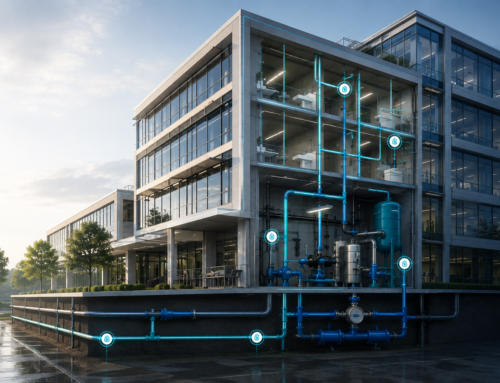
Cost-Benefit Analysis: Implementing Real-Time CCP Monitoring
Understanding compliance in the water management industry can feel like walking a tightrope. With an ever-increasing array of regulations and guidelines, it’s not uncommon to feel overwhelmed. Water quality standards are paramount, especially in countries with stringent requirements like Australia. Navigating these can be challenging, yet real-time monitoring offers a brighter path. This approach doesn’t just tick boxes. It actively helps protect public health by addressing potential issues before they become real problems.
Real-time CCP monitoring goes a step further in transforming how facilities handle water management. Imagine having a system in place that captures data every two minutes, ready to alert you to any deviations before they escalate into major concerns. With advancements like predictive analytics, you gain an edge by making informed, data-driven decisions. This not only supports compliance but provides assurance that the water you manage meets the set safety standards.
The Financial Benefits of Real-Time CCP Monitoring
Implementing real-time CCP monitoring solutions can lead to significant cost savings. Here’s how it impacts financially:
1. Reduction in labour costs: Automated systems reduce the need for ongoing manual monitoring. By freeing up staff from repetitive tasks, facilities can reallocate resources to focus on skilled operations and oversight.
2. Avoiding regulatory penalties: Staying within compliance becomes more manageable with live alerts and automated logs. Staff can address potential breaches before they turn into fines, mitigating financial and reputational risk.
3. Long-term investment protection: When problems are prevented rather than reacted to, facilities avoid expensive urgent repairs or shutdowns related to quality failures. This future-proofs operations and avoids large unexpected costs.
The up-front investment in real-time CCP monitoring transitions into operational value quickly. Facilities gain confidence that they are protected against unnecessary spending while also strengthening their public health responsibility. The end result is not only financial peace of mind but a more sustainable and consistent management structure overall.
Operational Improvements with Real-Time Monitoring
Real-time monitoring creates a powerful shift in the daily operations of water facilities. With continuous data and alerts, teams are not stuck reacting. Instead, they can proactively steer plant performance.
Live updates reduce manual checking and repetitive logbook reviews. Staff monitor operations from central systems, allowing quick diagnosis and resolution of issues. This means fewer disruptions and more time working on long-term improvements.
Data accuracy also improves, since information is gathered and stored automatically. There’s no reliance on handwritten or infrequently captured data. This ensures decision-makers are working with a precise, reliable picture of their systems at all times.
Having this visibility helps identify minor deviations that may signal early instability. Problems that used to be reactive become manageable with predictive analytics in place. Operators are empowered with the insights they need to maintain service consistency and adhere to operational benchmarks.
Operations become smoother overall, with less downtime and more clarity on system-wide performance. Reliable infrastructure begins with the right information, and real-time monitoring delivers just that.
Compliance and Regulatory Advantages
Meeting Australian water quality regulations is no small job. Real-time monitoring helps ensure these strict standards are not only met, but often exceeded.
Through compliance automation, detailed reports and audit logs are generated automatically. This means facilities stay inspection-ready year-round, instead of scrambling during regulatory reviews. Timely and accurate reporting replaces time-consuming manual paperwork, streamlining ongoing compliance tasks.
Staying ahead of regulation changes is also made easier. Instant alerts tied to specific standards, such as ADWG and SDWR 2025, allow staff to respond before limits are breached. Real-time data reflects the true state of operations and provides peace of mind, knowing there is less risk of falling out of compliance.
The proactive nature of these systems builds a strong compliance culture within teams. Technology becomes a partner in demonstrating responsibility, both to regulators and the public. It’s not about chasing rules, but staying ahead of them by integrating real-time safeguards into daily processes.
Practical Steps for Implementation
Getting started with real-time monitoring technology doesn’t need to be disruptive or complicated. It begins with evaluating your current system and identifying improvement areas. This could involve gaps in data frequency, reporting workflows, or alert capabilities.
Once those opportunities are clear, selecting the right monitoring platform is key. Consider solutions that align with your existing infrastructure and operations, without the need for complete overhauls. Seamless integration means your operations continue without interruptions during setup.
Staff training is equally important. Your team needs to be familiar with how to use the system, interpret alerts, and respond efficiently. Fortunately, modern platforms are built for ease of use, allowing quick adoption and practical in-operation use.
By rolling out the system in phases, monitoring ramps up gradually without causing downtime or confusion. From simple dashboard access to detailed compliance reports, each layer supports the next. A strong foundation supports smarter water management, leading to long-term resilience.
The Long Game: Health Security and Public Trust
Prioritising public health is central to effective water management. Real-time monitoring enables this by constantly watching over your critical control points. When facilities adopt these tools, they are actively reducing risk to communities while reinforcing their commitment to safety.
This transparency builds trust with regulators, leadership teams, and the public. When stakeholders see a proactive system in place, confidence rises. Demonstrating a clear preventative approach, rather than reacting to problems, gives your organisation a reputational advantage as well.
From a long-term perspective, the return goes beyond compliance. These systems free resources, improve planning, and reduce the threat of large losses due to avoidable quality failures. By capturing consistent data over time, patterns and insights become easier to identify. This informs future upgrades and policy, creating a positive feedback loop of improvement.
Real-time water quality monitoring is no longer a luxury. It’s a modern requirement that supports safe service delivery, stable operations, and public health as the number one priority. With predictive analytics, automated controls, and compliance automation at your fingertips, your facility is equipped not just for today but for what comes next.
To fully understand the benefits of real-time monitoring in water management, aligning with standards isn’t just smart, it’s necessary. D2K Information’s expertise in delivering comprehensive solutions can make a significant impact on your strategy. Equip your facility with a system built for precision and efficiency through a robust real-time water quality monitoring system. Learn how our tailored approach supports compliance, enhances operational performance, and protects public health long term.