Clean Water in Remote Schools: Challenges and Solutions
Having access to safe drinking water is crucial to the health and wellbeing of students when in school. Water contamination incidents at schools can cause health issues, ranging from stomach bugs and skin irritations to more serious long-term complications. These incidents can also temporarily shut down schools, creating fear and distrust among students, parents, and staff.
Thus, local authorities have to exercise vigilance when managing the water quality in schools and other educational facilities. However, those in remote and rural regions may encounter extra challenges to deliver on this promise.
Addressing these challenges involves understanding the unique difficulties faced by remote areas. Although there are geographical hurdles and other challenges such as limited infrastructure, with the right strategies and community involvement, these barriers can be overcome.
The Challenges in Ensuring Clean Water for Remote Schools
One of the biggest challenges in managing water supply and quality in remote areas is that some schools are located in places that are hard to reach. They might be surrounded by mountains, forests, or deserts, which makes delivering clean water difficult. These areas often lack good roads and transportation, making it harder to set up and maintain water supply systems.
Another obstacle is the lack of infrastructure. Remote schools might not have the necessary pipes, pumps, and filtration systems to ensure clean water. Building this infrastructure requires substantial investment and expertise that might not be readily available.
Additionally, the lack of resources can pose a challenge. There might be limited access to the materials and tools needed to maintain clean water supplies and a shortage of trained personnel who know how to test and treat water properly.
These challenges can be taxing for councils that are already managing stretched resources. The pressure to monitor water quality, maintain compliance, and avoid costly failures can be a big burden without the right support and strategy in place.
Modern Water Management System: An Innovative Solution for Ensuring Water Quality
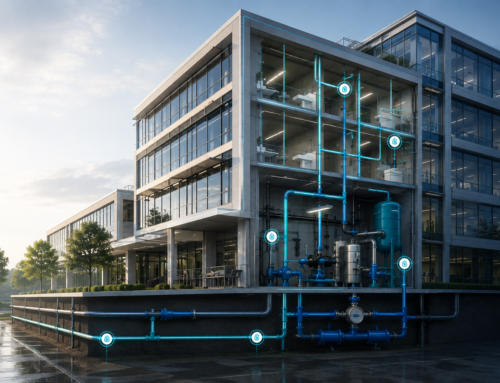
To address these challenges, you can consider implementing a smart water management system that can provide real-time data monitoring and early-warning capabilities.
Typically, these systems can pull data from different sources to continuously monitor for critical parameters such as temperature, pH, and bacterial presence. It can also analyse data automatically to detect anomalies or emerging patterns in the water quality.
When values begin to shift towards unsafe levels, the water management system can send instant alerts to relevant personnel. This allows water managers to act before an unwanted event happens, switching from a reactive approach to a proactive one.
The benefits of a proactive approach are strong. Continuous monitoring eliminates long testing gaps and reduces dependence on specialist staff members. Having real-time visibility over water quality data can help councils to easily monitor an entire network of schools, regardless of location.
Maintenance teams can then be deployed based on live data rather than fixed schedules, saving time and travel costs. By detecting and addressing issues early, you can avoid many of the costs associated with containing an outbreak.
A water management solution also simplifies compliance. When data is gathered and processed automatically, generating reports for regulatory audits becomes faster, easier, and less error-prone. These benefits translate not only to improved safety but also to significant cost savings.
Educating Local Communities on Water Quality
In remote locations, where community engagement is often strong, it’s a good idea to educate local communities on ensuring water safety in schools. This can empower parents, staff, and students to take an active role. By hosting workshops and training sessions, you can teach them the signs that something is off in the water and how to report any issues to the council or other relevant authorities.
This knowledge helps the local community exercise vigilance and commit to a shared responsibility. Engaging children in these activities can be both educational and fun, instilling a sense of responsibility from a young age.
They need to understand the importance of clean water, and when they are adequately hydrated, their energy levels are high throughout the day. By working together, local communities and councils can ensure that every remote school has access to clean, safe drinking water.
Conclusion
Ensuring clean water for remote schools is crucial for the health and education of children. With the right mix of advanced technology and community involvement, supplying potable water is no longer a big ask.
At D2K, we understand the challenges of ensuring clean water in remote areas. It’s one of the reasons we have engineered an advanced water quality management solution that can help councils become more proactive in managing their water quality. If you’re interested, please reach out to us today.