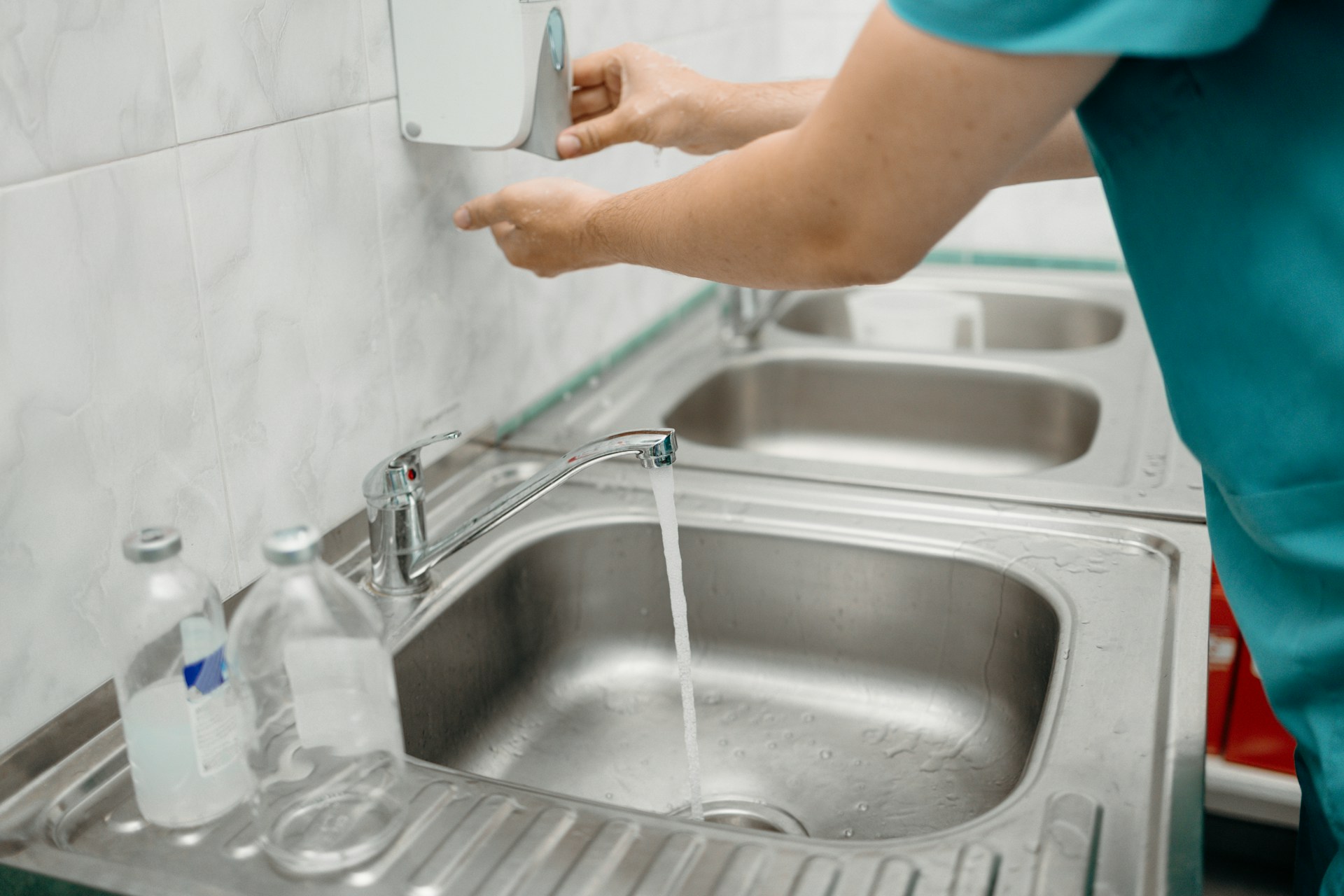
Meeting Drinking Water Compliance Standards in Hospitals
Hospitals shoulder a serious responsibility when it comes to drinking water compliance. With the safety of staff, vulnerable patients, and visitors on the line, the stakes are high. Add to that rising public concern and tighter regulations, and it is clear that drinking water compliance in hospital environments is more complex than ever.
Many facilities still rely on manual checks and handwritten logs to prove compliance. But that approach can fall short, especially when things go wrong. Real-time monitoring and predictive analytics make it possible to detect issues earlier and respond faster. This shift brings more predictability, fewer gaps, and better confidence that critical systems are running as they should.
Why Water Quality in Hospitals Demands a Higher Standard
Water matters everywhere, but in a hospital, it is closely tied to infection control and patient care. Aged care wings, outpatient recovery areas, birthing suites, they all house people whose immune systems may already be compromised. That puts an extra layer of risk on every water outlet.
We deal with water systems that are far from simple. Long, high-temperature pipes loop through different parts of the building, and these loops vary in age and condition. Some areas may not be used daily, meaning water can stagnate or drop in disinfectant levels. That is where bacteria like Legionella can grow.
Without proper water quality monitoring, some of these risks are easy to miss. But when incidents happen, the impact can be serious: scalding injuries from uncontrolled hot water, infections linked to microbial growth, or breaches that trigger inspections and penalties. This is why hospitals must stay ahead of these issues with proactive systems, not reactive fixes.
The Shift from Manual Logs to Real-Time Monitoring
For decades, hospitals have leaned on daily or weekly checks to stay on top of water safety. Teams walk around with thermometers, check points manually, and jot numbers into books or spreadsheets. It is labour-heavy and prone to errors, especially when those logs are used later in compliance reporting.
Real-time monitoring gives more control. When systems pull live data directly from SCADA or PLC equipment, it is possible to track conditions continuously (temperature, chlorine levels, pressure drops, flow rates).
- Early signs of system imbalance get detected automatically
- Operational teams can act before a limit is exceeded
- Logs become auto-generated, leaving fewer gaps during audits
This preventative approach reduces stress on staff and tightens the audit trail. Instead of inspecting the data after something has gone wrong, teams can make data-driven decisions in the moment.
D2K Information’s Information Engine™ and CCPWatch platforms provide hospitals with real-time compliance dashboards, predictive risk alerts, and instant Section 22 export capability, helping hospitals stay inspection-ready and safeguard public health at all times.
What Compliance Looks Like Under Australian Guidelines
Australian hospitals have to comply with several reporting requirements to maintain water safety. These include the Australian Drinking Water Guidelines (ADWG), which spell out the acceptable levels for parameters like temperature and disinfection. Depending on your state or territory, hospital systems must also produce Section 22-style reports to show they have met service standards.
In practice, this means tracking a range of key indicators:
- Tank and outlet temperature
- Free chlorine residual
- Turbidity
- Microbial counts such as coliforms or E. coli
To keep this under control without overloading staff, data must be collected consistently and stored securely. Role-based access should be used so the right people can review results, act when things go off spec, and show regulators what happened and how it was handled. With immutable data logs in place, there is less dispute and more trust during investigations.
Using Predictive Analytics to Prevent Common Hospital Water Issues
Real-time monitoring shows what is happening now. Predictive analytics helps spot what might be around the corner. By reviewing patterns across historical water data, it is possible to pick up clues that an issue is brewing.
Take chlorine dosing levels. A slow but steady reduction may not set off immediate alarms, but predictive tools can flag the drop long before the water dips below safe disinfection thresholds.
- Identify and fix declining trends before they become breaches
- Understand seasonal patterns, such as warmer months affecting temperature loops
- Connect the dots between equipment cycling and water performance
Small warnings can grow into large-scale disruptions. Predictive tools shift the approach from catching issues in progress to stopping them before they interrupt service or public health.
Our predictive analytics consultancy provides facility teams with advanced reports on cyclical risk, trend-based recommendations, and practical maintenance planning that helps prevent incidents linked to water quality.
Implementation Without Infrastructure Overhaul
For many facilities, the biggest concern is that moving to advanced water quality monitoring means tearing out existing equipment or starting from scratch. That is not the case.
Most real-time systems can work directly with what hospitals already have in place. Crews are already running SCADA platforms in most pump rooms. With the right connections, new monitoring layers can feed straight from those controls without disrupting day-to-day processes.
- Dashboards are built to reflect how water teams already think and work
- No need for complex retraining or multi-system juggling
- Alerts flow to the people who need them, maintenance, operations, safety
Compliance automation is what helps small teams stay on top of large systems. By cutting down time spent tracking numbers and filing reports, staff can focus on preventing issues instead of documenting them after the fact.
D2K Information’s hospital-ready monitoring platform offers role-based alerting, automated Section 22 reporting, and site-to-site view for easy management of multi-building facilities.
Taking Hospital Water Safety from Reactive to Proactive
Drinking water compliance in hospital settings affects more than pipes and pumps. It is part of the broader duty to keep people safe and operations running smoothly. That means action cannot wait until problems break the surface.
With the right visibility into system data, hospitals can detect shifts early, adjust quickly, and meet compliance with more confidence. Predictive analytics supports these decisions with insight, while real-time alerts give teams the time needed to respond.
Staying ahead of water safety problems is not about more paperwork or more manpower. It is about smarter monitoring. When thinking preventatively, the system becomes easier to manage and the risks to public health stay where they belong: under control.
Managing water safety can be proactive. With the right tools in place, hospitals can strengthen their ability to manage risks while meeting Australian compliance requirements more efficiently. Replace manual logging with real-time alerts and actionable data to move towards smarter, safer practices. Discover how we support drinking water compliance in hospital environments with practical, preventative solutions. To get started, contact us at D2K Information.