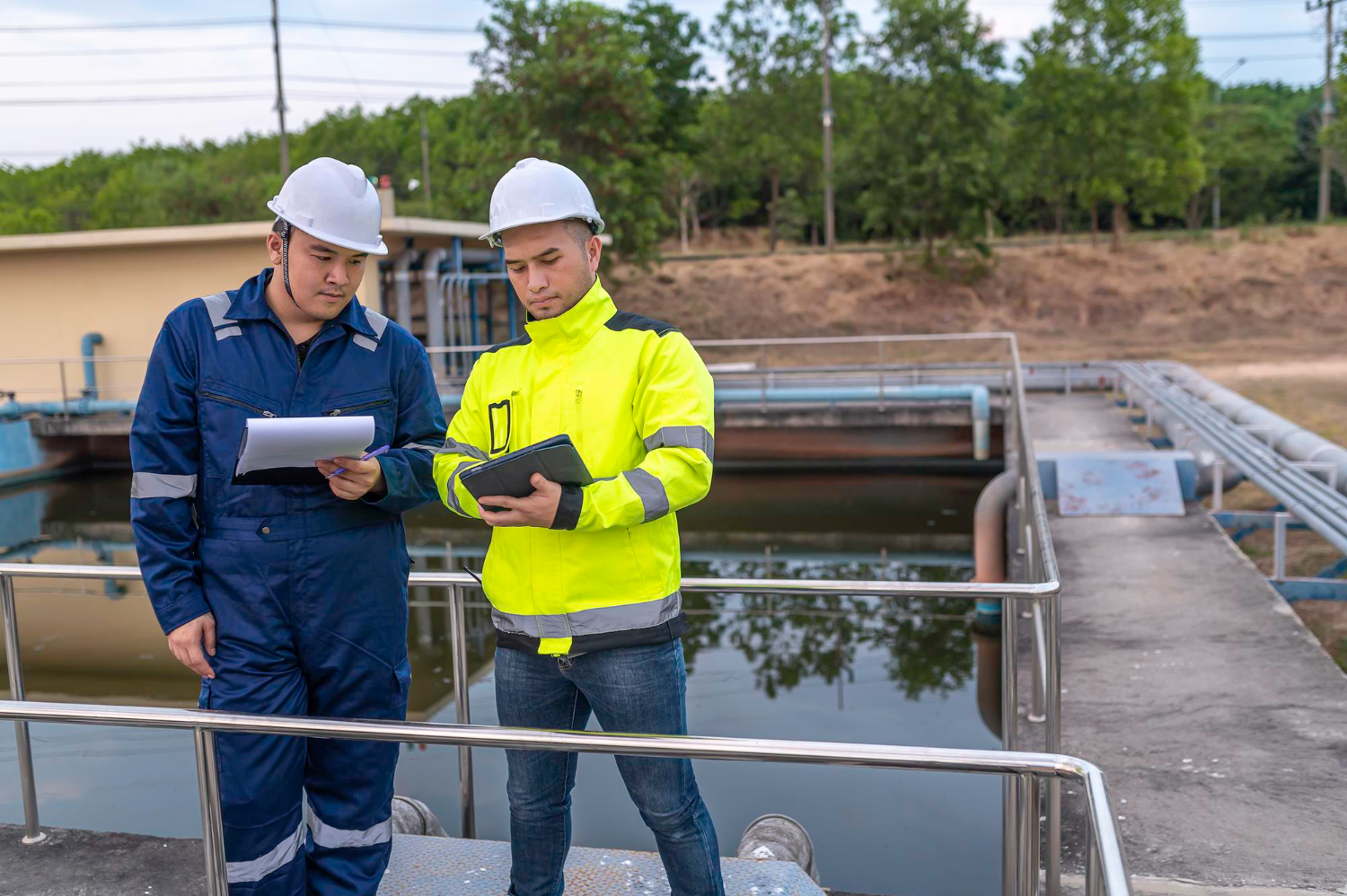
From Grab Samples to Real‑Time Safety: Why Engineers Must Rethink Critical Control Point Monitoring
Australian healthcare facilities and water utilities face unprecedented compliance complexity under the Safe Drinking Water Regulations 2025, with heightened scrutiny on critical control point monitoring following recent contamination events across Victoria. For operations executives managing water infrastructure, the traditional grab sampling methodology presents unacceptable blind spots between testing intervals, particularly when protecting vulnerable populations in hospitals and aged care facilities.
Real-time water quality monitoring fundamentally transforms this compliance landscape. By capturing CCP data every two minutes directly from SCADA/PLC systems and mapping against ADWG and SDWR 2025 parameters, facilities achieve continuous verification of water safety. This proactive approach enables compliance teams to transition from reactive incident management to predictive risk prevention, with automated Section 22 reporting capabilities that satisfy regulatory requirements while protecting public health as the number one priority.
Manual Monitoring Limitations in Healthcare Settings
Healthcare facilities operating with manual sampling protocols face critical vulnerabilities in their water quality assurance programs. Standard grab sampling at prescribed intervals captures discrete data points, leaving extensive periods between tests completely unmonitored. These gaps become particularly concerning in healthcare environments where immunocompromised patients face elevated risks from waterborne pathogens.
Temperature fluctuations in warm water systems between 20°C and 45°C create optimal conditions for Legionella proliferation, yet manual testing protocols typically assess these parameters weekly at best. The ADWG specifies maintaining chlorine residuals above 0.5 mg/L throughout distribution systems, but without continuous monitoring, transient losses between sampling events remain undetected.
This monitoring gap creates unacceptable risk for healthcare facilities. Water quality events develop continuously, not according to testing schedules. The most effective way to protect public health as the number one priority is transitioning from reactive data collection to continuous, real-time surveillance.
Meeting SDWR 2025 Requirements: From Compliance to Excellence
The Safe Drinking Water Regulations 2025 fundamentally reshape compliance expectations for Australian water facilities. Section 22 reporting now demands comprehensive documentation including temporal data sequences, CCP excursion durations, and corrective action verification within regulated timeframes.
Healthcare facilities face additional scrutiny under AS/NZS 3666.1:2011 for cooling tower management and HB 342:2013 for Legionella control in healthcare settings. These frameworks require demonstration of:
- Continuous monitoring capability for critical parameters
- Log reduction validation (6-log virus, 5-log bacteria, 4-log protozoa per ADWG)
- Risk assessment documentation aligned with QMRA principles
- Immutable audit trails for regulatory inspection
Manual processes cannot deliver this level of compliance assurance. Paper-based systems lack the temporal resolution and data integrity required for modern regulatory frameworks, exposing facilities to both compliance penalties and reputational damage. The shift to automated compliance through real-time monitoring becomes not just beneficial but essential for maintaining operational licenses and public trust.
CCPWatch: Automated Compliance Through Intelligent Monitoring
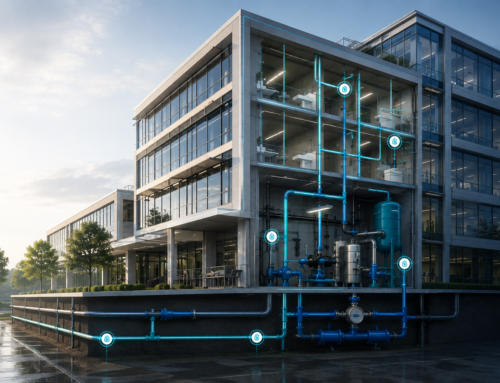
CCPWatch delivers comprehensive water quality surveillance through sophisticated data acquisition and analysis. The platform performs real-time capture of CCP data via 2-minute polling intervals from existing SCADA/PLC infrastructure, eliminating capital expenditure on sensor replacement while maximising data density.
The system architecture encompasses:
- Automated Mapping: Direct correlation of measured parameters against ADWG limits and SDWR 2025 thresholds
- Intelligent Alerting: Multi-tier notification protocols via SMS and email when readings exceed operational or critical limits
- Compliance Documentation: Auto-generated daily logs with Section 22-ready reports in PDF/CSV formats, maintaining immutable audit trails
- Enterprise Analytics: Cloud-based dashboard with 10-year data retention and role-based access control
- Predictive Intelligence: Trend analysis algorithms identifying deterioration patterns before threshold breaches
For healthcare facilities managing complex water systems across multiple buildings, CCPWatch provides unified visibility without infrastructure disruption. The platform integrates seamlessly with existing monitoring equipment, requiring no hardware replacement while delivering immediate compliance improvements.
Advanced Detection Technologies: From Reactive to Predictive
Modern water quality assurance transcends traditional heterotrophic plate count methodologies that require 48-72 hour incubation periods. Contemporary monitoring leverages multiple detection modalities that provide actionable insights in near real-time.
- Flow Cytometry Applications: Online flow cytometry enables rapid enumeration of total cell counts, detecting microbial fluctuations that precede culturable bacteria emergence. This technology provides early warning of biological activity changes that traditional culture methods would miss entirely.
- Multi-Parameter Sensor Networks: Strategic deployment of sensors measuring turbidity (NTU), free chlorine (mg/L), pH, conductivity (μS/cm), and temperature provides comprehensive system characterisation. Even minor turbidity increases can serve as early indicators of elevated microbial risk, while chlorine residual trends reveal system vulnerability before contamination occurs.
- Biofilm Monitoring: Advanced sensors detect early-stage biofilm formation through electrochemical impedance spectroscopy, critical for preventing Legionella colonisation in healthcare facility plumbing systems. These technologies work together to enable predictive analytics that identify risk patterns well before traditional methods would detect anomalies, providing crucial intervention windows for preventative maintenance.
Preventing Crisis: Real-World Implementation Success
Victorian healthcare facilities implementing continuous monitoring have demonstrated measurable improvements in water safety outcomes. Regional hospitals using real-time monitoring systems have successfully identified and prevented potential contamination events that scheduled manual testing would have missed entirely.
In one notable implementation, automated monitoring detected progressive chloramine degradation in a warm water return system serving critical patient areas. The system captured declining residual levels and correlated temperature variations, indicating circulation system issues. Immediate SMS alerts enabled rapid intervention, preventing potential pathogen proliferation in systems serving vulnerable patient populations.
These implementations demonstrate that continuous monitoring delivers both operational and compliance benefits. Facilities report reduced emergency responses, improved audit outcomes, and enhanced confidence from both regulatory bodies and healthcare facility boards. The ability to document every parameter, every minute, transforms compliance from a quarterly concern to an automated background process.
Securing Water Safety Through Proactive Excellence
For Australian healthcare facilities and water utilities, the transition to real-time water quality monitoring represents both regulatory necessity and operational excellence. CCPWatch transforms compliance from burden to competitive advantage, delivering:
- Immediate Risk Prevention: 2-minute data refresh rates enable intervention before contamination events
- Regulatory Confidence: Section 22-ready documentation with complete audit trails
- Operational Efficiency: Automated reporting eliminates manual data compilation
- Public Trust: Demonstrable commitment to water safety through transparent monitoring
As SDWR 2025 implementation advances and public scrutiny intensifies, facilities cannot afford the vulnerabilities inherent in manual monitoring. The question is not whether to implement continuous monitoring, but how quickly your facility can transition to proactive water quality management.
D2K Information specialises in guiding Australian water facilities through this critical transformation. Our team combines deep regulatory expertise with practical implementation experience, ensuring your monitoring solution delivers both compliance and operational value.
Ready to eliminate blind spots in your real-time water quality monitoring system? Contact our team to discuss how CCPWatch can protect your facility, your compliance standing, and most importantly, the communities you serve.