Enhancing Adelaide’s Water Systems with Technology
Adelaide is expanding, and the demand for reliable water infrastructure has become more pressing with a growing population. Coupled with reduced rainfall, ageing infrastructure, and evolving environmental pressures, it’s becoming increasingly difficult to deliver a safe, sustainable water supply for the city and its surrounding regions.
As South Australia’s capital city grows and faces climate uncertainty, advanced sensors and real-time water monitoring are increasingly seen as key to meeting modern demands. In this article, we’ll outline the key pressures on Adelaide’s water systems, the regulatory landscape, and the state-of-the-art technology that can provide a more effective solution.
The State of Adelaide’s Water Systems
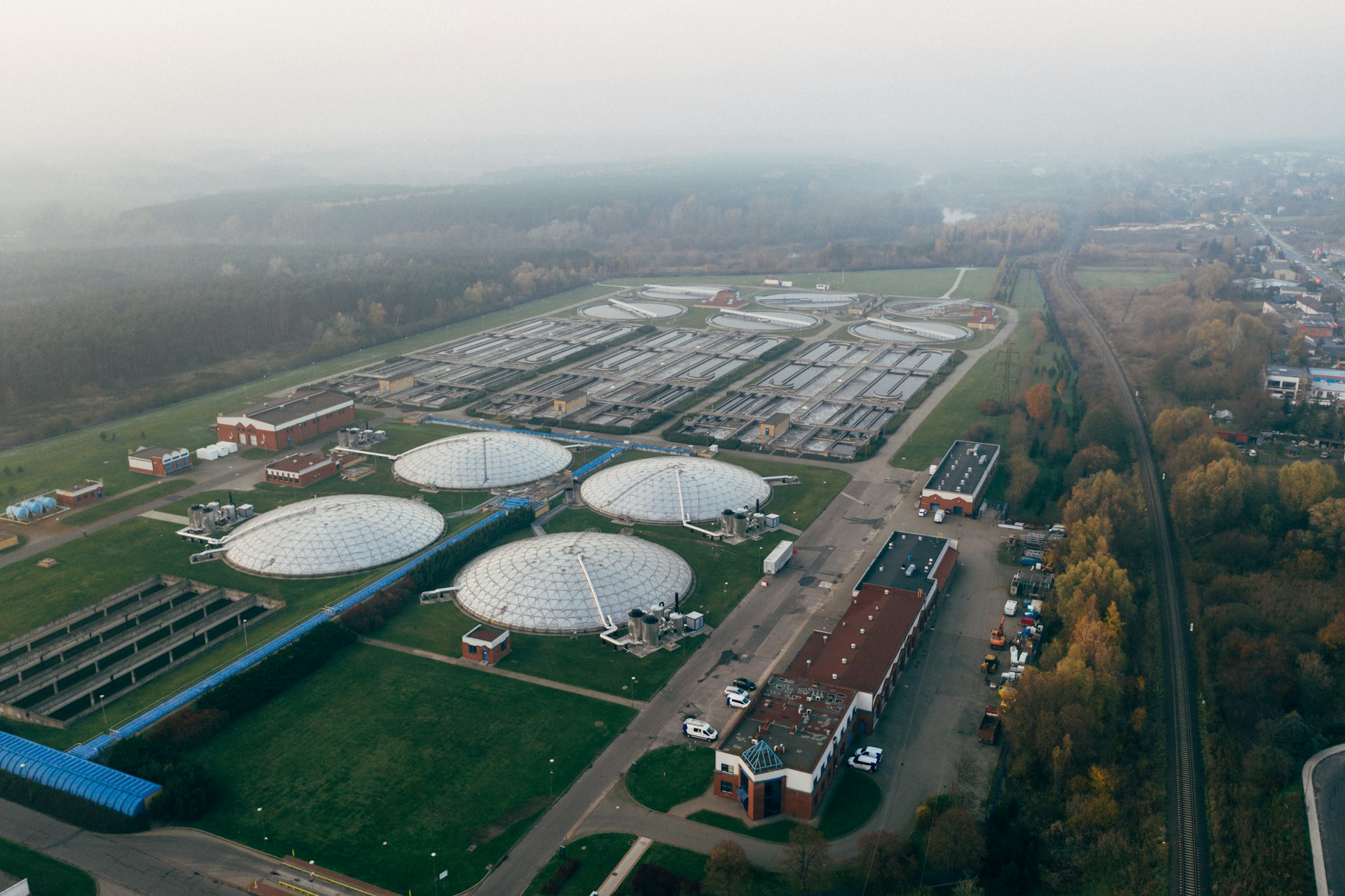
Urban development is placing extra pressure on water supplies, wastewater systems, and stormwater management infrastructure. Greater housing density also increases demand on water networks, heightening the risk of service disruptions and supply imbalances during dry periods.
Population growth also affects water quality in more subtle ways, such as increased runoff from construction sites and rooftops, adding complexity to water treatment and monitoring processes.
The water supply is also vulnerable to climate change. In July 2025, Adelaide’s reservoirs were at their lowest levels in 40 years, mainly due to a persistent lack of rainfall.
Rural and off-grid communities, especially in Adelaide Hills, face even more severe challenges. Some households are increasingly relying on water carting, which is expensive and logistically difficult when demand surges during drought periods.
Furthermore, many parts of the city’s water systems, which have been in operation for several decades, now show signs of needing updates to handle increased demand.
Despite these challenges, water operators continue to deliver drinking water that meets the requirements of the Safe Drinking Water Act 2011 for South Australia and the Australian Drinking Water Guidelines (ADWG). Water systems in the Adelaide metro region achieved 99.99% compliance with ADWG health-based targets, while regional supplies reached 99.92% between 2023 and 2024.
However, emerging risks, such as presence of PFAS (per- and polyfluoroalkyl substances), salinity spikes, and climate-induced variability are highlighting the need to detect issues early and respond more dynamically.
To tackle these challenges, a proactive approach is necessary. Consider:
- Integrating new technologies, such as sensors and real-time data collection systems, to monitor efficiency and detect problems swiftly.
- Planning for water system expansion and upgrades to cater for population growth, ensuring a stable supply even during periods with little rainfall.
- Strengthening compliance frameworks while maintaining a focus on public health and safety.
Addressing these challenges involves more than just maintaining the status quo. It’s about planning for the future with solutions that ensure Adelaide’s water infrastructure can support its thriving population, now and in the years to come.
Embracing Real-Time Water Monitoring Solutions
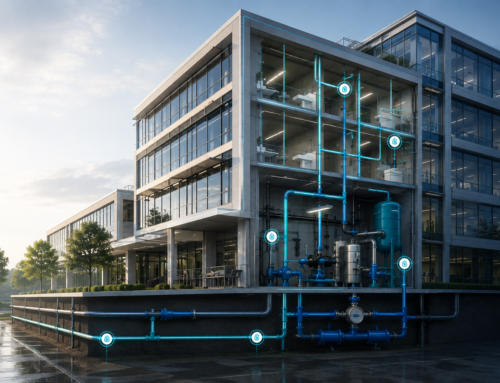
Real-time water quality monitoring utilises sensor networks and digital platforms to provide continuous, automated feedback on key indicators, including temperature, water levels, pH, and chlorine levels.
Water operators can monitor water quality around the clock, which is crucial for making quick and informed decisions. Rather than waiting for periodic testing results, real-time monitoring provides continuous insights to help organisations prevent minor problems from escalating into major incidents.
Compliance managers can easily meet water safety with real-time alerts when a parameter deviates from accepted levels. Teams can investigate quickly, maintaining high safety standards and avoiding potential penalties from non-compliance.
In drought-prone areas, such as Adelaide Hills, real-time monitoring can also support rural and decentralised systems by providing remote oversight of water tanks and dams, rather than relying on infrequent, manual testing.
Furthermore, advanced technologies can offer predictive analytics to calculate the risk of a water contamination event. By analysing data patterns in real-time, organisations can prevent water outbreaks. Implementing predictive analytics means fewer surprises and smoother operations across the board.
Another benefit is the ability to easily meet regulatory requirements through reporting automation. By automating the process, water quality teams can easily generate the necessary documentation for regulatory audits without having to scramble for records. Automation also helps organisations save time and reduces the risk of human error.
In short, advanced water management technology helps create a safety net to protect public health and promote consistent quality control across Adelaide’s water infrastructure. These systems allow water providers to:
- Detect and respond to contamination incidents quickly, minimising public health risks.
- Optimise treatment processes in real-time, reducing chemical usage and improving cost efficiency
- Monitor compliance continuously, making it easier to meet ADWG standards and regulatory audit requirements.
- Track water quality trends across seasons, climate events, and catchment changes to better plan future upgrades.
Conclusion: Strengthening Adelaide’s Water Systems
Addressing Adelaide’s water challenges requires more than maintaining the status quo. The pressures of urban growth, drought, and emerging contaminants necessitate a more robust, technology-enabled approach.
Advanced water management technology serves as a safety net for the city, enabling faster response to contamination, real-time treatment optimisation, and continuous monitoring of water compliance.
If you’re ready to reduce manual work and second-guessing, explore a real-time water quality monitoring system that empowers your team with accurate insights and reliable data. Discover how D2K can support operational leaders like you with our real-time water quality monitoring system.