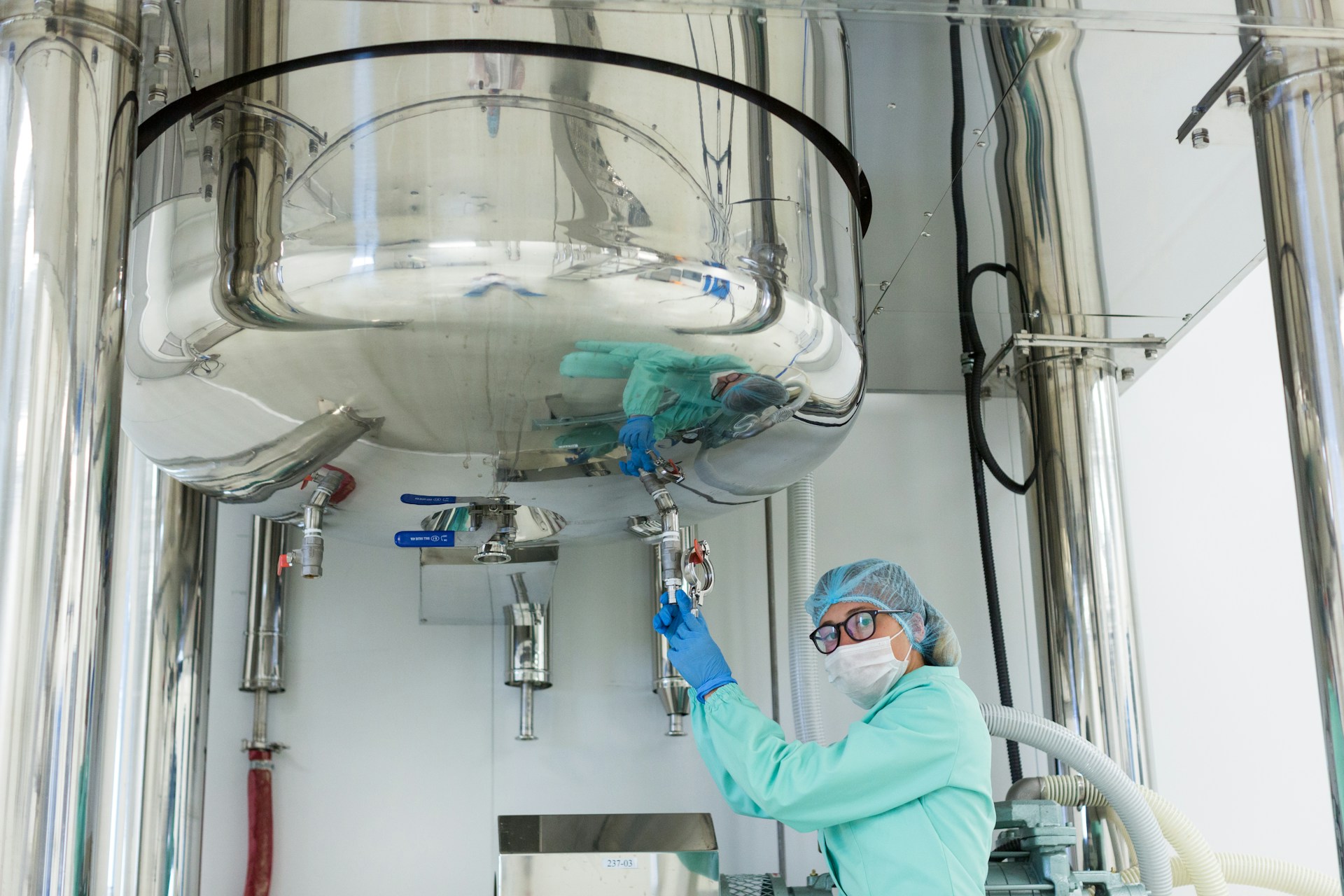
Brisbane’s Water Future: Embracing Recycled Solutions
Brisbane is facing a challenge with water scarcity, which has become more pronounced in recent years due to increasing water supply demands and unpredictable weather patterns. This issue is not just about having enough water but ensuring it meets safety and quality standards.
One solution gaining ground is recycled water, obtained by treating wastewater for non-potable uses. This approach helps conserve natural water sources, support a growing community, and promote a more sustainable environment. Smarter water recycling, backed by advanced water management technology, can help safeguard Brisbane’s water future.
Understanding Water Scarcity in Brisbane
Water scarcity in Brisbane isn’t just about low rainfall; it’s a complex issue influenced by several factors. From urban growth to climate variability, the city’s water system is under pressure to keep up with growing demand. The dry spells are no longer seasonal worries but affect households, businesses, and ecosystems throughout the year.
The city is also an integral part of the South East Queensland Water Grid, a network designed to provide resilience by connecting dams and treatment plants across the region. While this grid offers a crucial buffer, it also means that water scarcity issues in other parts of the grid can impact Brisbane’s supply, adding another layer of complexity to the city’s water security challenges.
The impacts of water scarcity are far-reaching. For communities, it means everything from higher water costs to stricter usage limitations. For the environment, it translates to stressed river systems and declining biodiversity.
The balance between meeting human needs and preserving natural ecosystems can be tricky to maintain, especially considering future needs. Brisbane’s residents and policymakers need a reliable water supply that doesn’t compromise health or quality, highlighting the importance of using recycled water.
The Benefits of Using Recycled Water
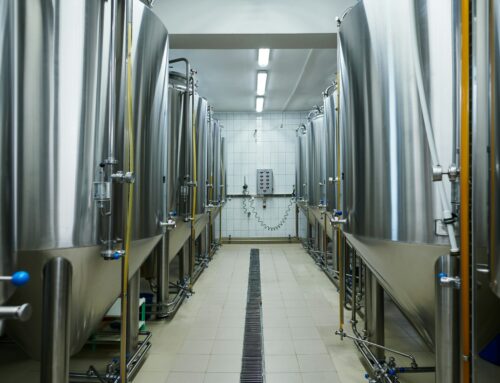
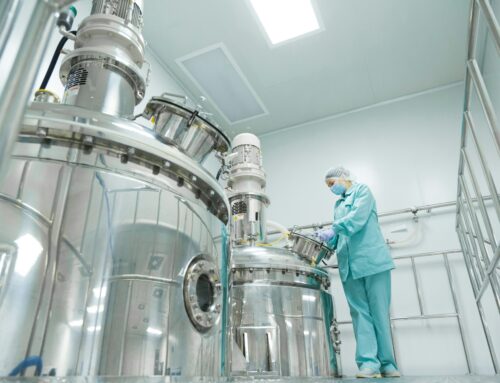
Recycled water is emerging as a sustainable solution for Brisbane’s water challenges. So, how does this work? Wastewater undergoes a rigorous treatment process, making it safe for non-drinking applications such as irrigation and industrial use. This not only eases the pressure on drinking water supplies but also provides a reliable alternative for various sectors.
Below are the key benefits of recycled water:
- Resource efficiency: Helps save freshwater by providing an alternative for non-drinking uses.
- Environmental protection: Reduces the impact on rivers and ecosystems, supporting a healthy biodiversity.
- Sustainable growth: Supports urban development by providing a consistent water source.
- Cost-effectiveness: Reducing the need for costly water imports and storage solutions.
Brisbane has seen successful recycled water initiatives. By integrating recycled water into its water management framework, the city has alleviated some of the immediate pressures on its water system and set a benchmark for sustainable urban planning.
However, current practices can benefit from implementing an innovative water management system that provides live monitoring and predictive modelling to forecast water quality risks before they become big liabilities.
The Advantages of Using Smart Systems In Water Recycling
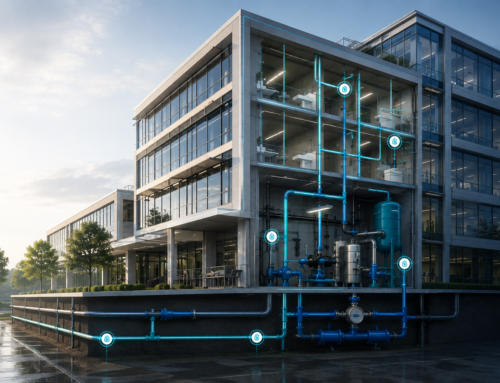
The ability to monitor water quality in real-time is revolutionising water management. By providing live updates, advanced water management software allows water operators to safeguard water resources more effectively. This level of precision is key to making data-driven decisions that enhance the reliability of recycled water.
Despite its non-drinking applications, recycled water requires constant scrutiny to ensure safety and reliability. Water management software helps operators ensure that all recycled water is properly treated and the quality is up to standards.
The benefits of using a smart system extend to operational efficiency. Predictive analytics tools allow organisations to anticipate potential problems before they become a reality. This technology promotes better oversight and reduces the need for constant manual intervention. As a result, organisations can operate more smoothly while focusing on proactive solutions rather than reacting to crises.
Furthermore, these systems are designed for seamless integration with existing water infrastructure, ensuring that companies can adopt new technology without disruptive or costly overhauls. It also means new opportunities for training and upskilling workers in the water industry, creating a new breed of highly skilled workforce.
Protecting Brisbane’s Future With Smarter Water Recycling
Recycled water isn’t just a temporary fix; it’s a forward-thinking solution to Brisbane’s water issues. As the city grows, having a reliable water source that doesn’t deplete natural reserves is invaluable. The solution to water scarcity starts with smarter water recycling. Local authorities, councils, and organisations that continually adopt new technologies can easily keep up with changing demands and complex issues.
If you’re looking for a preventative approach to protecting public health and achieving compliance, explore how D2K Information’s real-time water quality monitoring system supports data-driven decisions, predictive analytics, and automation that streamlines your operations from day one.