Bridging the Gap: Water Quality Challenges in Remote Australian Hospitals
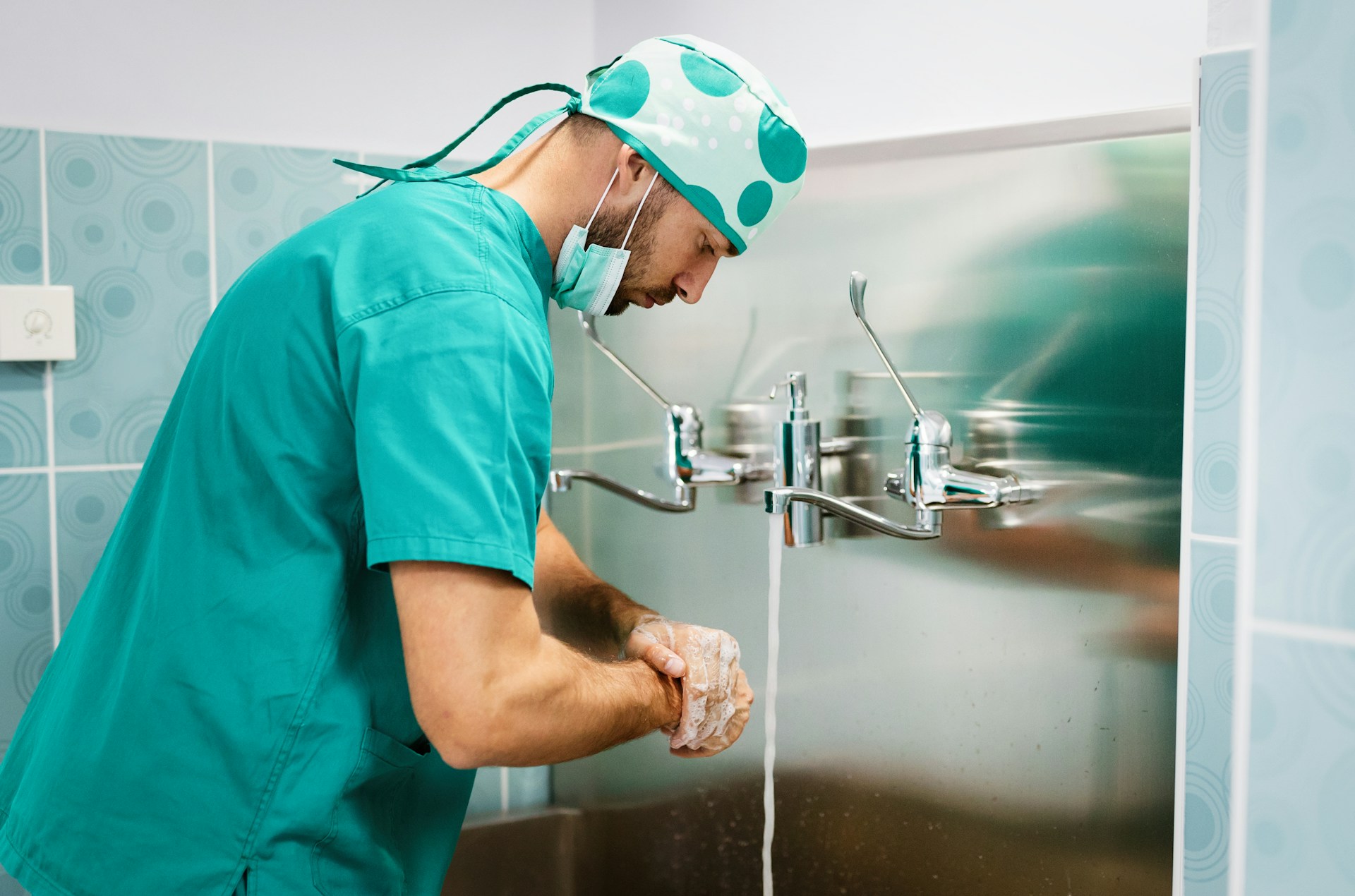
Clean water is essential for effective medical care in hospitals and healthcare facilities. Every aspect of patient care, from basic hygiene to complex surgeries, relies on having water readily available. This extends to medical equipment as well. Surgical instruments and medical devices must be sterilised with clean water to prevent infections during operations.
Contaminated water can lead to infections and other health issues, putting already vulnerable patients at greater risk. Additionally, water ensures the proper functioning of a healthcare establishment, used in heating and cooling systems, laundry, and sanitation services. Hospitals need a dependable water supply to keep these systems running smoothly, which supports a cleaner and safer environment for patients and staff.
Key Issues in Managing Water Quality in Hospitals
Maintaining water quality in Australian hospitals comes with its own set of challenges, with some unique to hospitals located in remote regions. For example, while many urban hospitals are equipped with extensive infrastructure and readily available water resources, those in remote areas may not have the same access, and this presents a problem that local councils and water authorities have to consider.
1. Absence of Real-Time Monitoring
It’s difficult to manage water quality in hospitals successfully without the implementation of a system that can monitor water data in real time. Without live data, it’s harder to detect abnormal changes until much later.
As a result, most actions are triggered by incidents instead of an ongoing risk assessment and preventative maintenance work. Water management policies may often default to meeting the bare minimum of compliance and reporting.
2. Geographical Factors
Remote hospitals may have geographical barriers that make ensuring water quality difficult. Many hospitals are located in areas with rugged terrain, making it challenging to transport clean water or install necessary infrastructure with limited road access and long distances.
3. Infrastructure Issues
Another significant challenge for both urban and rural hospitals is with infrastructure and maintenance issues. Some hospitals have complex and outdated plumbing systems and equipment, such as old pipes and treatment tanks, that may result in corrosion and leaks. Furthermore, plumbing systems that aren’t properly maintained are like ticking time bombs.
4. Skill Shortages
Delivering clean and quality water requires experts who can manage, maintain, and repair water systems. Local governments in remote locations may struggle to find and retain qualified staff. This shortage makes it difficult to quickly isolate and control any water contamination incident.
5. Meeting Compliance
Some remote regions see harsh and severe weather conditions, making it harder to deliver clean, safe drinking water and maintain compliance throughout the year. Although not a challenge specific to remote hospitals, trying to keep up with evolving regulations can be a convoluted and resource-intensive process.
How Smart Water Quality Management Improves Healthcare Facilities
Beyond implementing filtration and purification systems, you need an effective system to monitor and proactively manage water quality. To address these challenges, consider comprehensive water management strategies, including:
1. Implementing an Advanced Monitoring Technology
One of the key steps in improving water quality is to have visibility over your data, and this is where real-time water quality monitoring systems help prevent major health incidents before they happen.
By using sensors and an automated monitoring system, you can continuously monitor water quality with only a few staff members. Everything can be done remotely, and you can set instant alerts when a data anomaly is detected so you can take immediate action if needed.
2. Using An Intelligent System to Analyse Water Quality Data
Data is meaningless without a thorough analysis. A smart water management solution is capable of processing a vast amount of data and producing a comprehensive summary or report that can inform your next decision. It excels at identifying patterns within the data that might be missed by manual inspection, allowing you to take the right steps.
3. Developing a Robust Water Management Plan
A robust water management plan should outline the procedures for monitoring water quality, maintaining treatment systems, optimising processes, conducting maintenance work, and meeting regulatory compliance.
Another consideration for remote areas is water usage optimisation. Hospitals require a large amount of water to function, and it’s prudent to plan on how you can manage consumption efficiently, especially in water-scarce regions.
4. Establishing a Comprehensive Emergency Response Plan
Although real-time monitoring and alerts can prevent most disasters, sometimes, things can simply get out of hand. Think swift isolation, rapid detection of contamination source(s), and effective remediation strategies. Having a robust monitoring system and well-defined disaster response protocols will help to quickly de-escalate any emergency events.
Conclusion
Delivering clean, safe water in hospitals comes with unique challenges, but having an advanced water monitoring solution and robust planning can significantly improve the way you manage the water quality.
To learn more about advanced water monitoring technologies and how they can improve water quality in remote hospitals, contact D2K Information and ask us about our water quality management solution, which can be customised to meet the unique challenges of healthcare facilities, ensuring clean and safe water for all.