Critical Control Points Monitoring Water Safety Effectively
Monitoring water safety at critical control points (CCPs) is one of the most important safeguards for any facility managing public supply in Australia. When we rely on manual logs, especially in large systems, things can go wrong before anyone notices. Delays in detecting issues increase the risk to public health and put pressure on compliance.
That is why automated online monitoring matters. It gives us ongoing visibility at CCPs, helping our staff act quickly if something is not right. With automated alerts and compliance logs, we stay ahead of problems, instead of just reacting to them. Today we will outline how to monitor CCPs more effectively with smart solutions and use data to support a preventative approach.
Understanding Critical Control Points in Water Systems
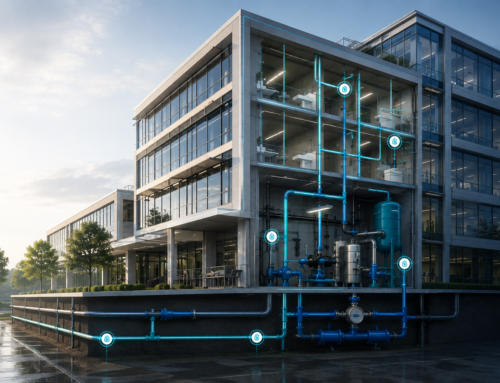
CCPs are points in a water system that are critical to controlling a water quality hazard. In most cases, that means anywhere treatment could break down or contamination could enter. Common examples include filtration units, chemical dosing sections, or outputs feeding into food handling processes.
How we identify CCPs depends on the type of facility. For water utilities, it can include major tanks or pumping stations. In food processing, it might be sanitising outlets or rinsing lines where poor water quality could spoil production. Either way, each point must support safe, clean water delivery.
In Australia, utilities work to regulations such as the Australian Drinking Water Guidelines, or Victoria’s recently expanded Safe Drinking Water Regulations (SDWR) 2025. These documents outline relevant health-based targets (HBTs) that suppliers must meet to safeguard public health. After identifying CCPs, we must align our monitoring practices so we can report accurately on whether HBTs are being met, to cover obligations such as Section 22 reports under Victoria’s Safe Drinking Water Act.
D2K Information’s Information Engine™ software and the integrated CCPWatchⓇ module enable automated online monitoring, rapid alerts, and compliance recordkeeping of each facility’s most vulnerable or high-risk water assets. These platforms allow all teams to view, log, and respond to timely CCP data in one secure, cloud-based dashboard.
Why Manual Monitoring Falls Short
Many facilities still rely on staff doing rounds with clipboards or tablets. While that might meet minimum requirements, it is easier to miss problems this way. There is often a delay between tests being taken, results being reviewed, and action being taken. That time lag might seem insignificant until something serious happens.
Other gaps show up when readings are entered incorrectly or logs go missing. Many operators have experienced tight audits where someone spots a line that was not filled in two months ago. It might not always be a big deal, but in a system worth millions and tied to public health, those details matter, especially as regulator standards tighten.
Compliance audits expect clean, steady records that show who did what and when. If a report looks patchy or a reading does not match the previous record, it raises questions. The bottom line is that relying on manual systems raises the chance of slip-ups and missed patterns that would otherwise stand out with advanced monitoring solutions.
Automated Online Monitoring as a Preventative Approach
Automated online monitoring changes how we track water quality data. Instead of checking a few times a day, Information Engine™ and CCPWatchⓇ can poll CCP data at a configurable interval, which can be down to seconds. The software pulls data directly from your existing SCADA or telemetry sensors, meaning you don’t need a full infrastructure overhaul to get the system online.
If a reading falls out of spec, Information Engine™ rapidly sends alerts via SMS or email to the relevant staff member(s). That means we are not left relying on someone finding the problem hours later or after HBTs have been breached, risking public health. These alerts give our teams time to act early, which could prevent regulator penalties or food recalls.
Information Engine™ also speeds up reporting workflows, automatically generating logs that meet regulator specifications. If you need to make a Section 22 report, the system already has everything ready and in the correct format. And when regulators show up, you are already prepared without scrambling through folders trying to hunt down the right files.
Turning Data into Action with Predictive Analytics
Once we have automated online monitoring in place, we can do more than just react. Information Engine™ and CCPWatchⓇ offer predictive analytics that give insight into what might go wrong before anything actually does. It pulls from trends in the data to notice changes across quality indicators, like turbidity increasing slowly or chlorine levels slipping over time.
That kind of early recognition helps us make data-driven decisions that improve operational efficiency and safety. For example, if disinfectant effectiveness starts to drop, we can adjust dosing or maintenance schedules before reaching unsafe levels. Or, if the same pump keeps triggering alerts, we look beyond the surface and find out if something else is causing pressure to drop.
These are the kinds of insights you do not get from manual logs. Predictive analytics is not just about fixing what breaks but stopping damage before it starts. It allows us to stop merely chasing problems down and instead create a robust operation that puts public health as the number one priority.
Steps to Strengthen CCP Monitoring in Your Facility
Here are four practical steps to improve CCP monitoring and HBTs compliance at your facility when bringing an automated monitoring solution online:
- Review current and forthcoming regulations to ensure compliance. With SDWR 2025 coming into effect on 1 July 2026, Victorian utilities must have all CCPs across the network mapped, and risk management plans updated to reflect this.
- Pick tools that work with your existing infrastructure. This means finding something that works with your SCADA or telemetry sensors without needing a total overhaul.
- Train your team on the updated systems. The system can send alerts all day, but someone still needs to act on them. Help your people shift from manual logging to reviewing smart dashboards and taking action, building their understanding and trust in the new system.
- Integrate predictive analytics into compliance workflows. Most issues start showing up in the data before they create breaches. Acting on analytics trends to head off potential issues means more efficient operations and safer water quality outcomes for the community.
Smarter Monitoring, Safer Water Outcomes
Using smart CCP monitoring is about more than HBTs compliance. It is a clear way to improve our operations and protect our communities. By shifting from reactive checks to proactive solutions, we can stop small issues turning into dangerous breaches.
At D2K Information, we are committed to helping you take a proactive approach to water safety. Information Engine™ and CCPWatchⓇ deliver automated alerts, audit-ready reporting, and smarter monitoring, making it easier to track performance, flag anomalies, and protect public health. Contact us today to improve your critical control point water monitoring systems and compliance outcomes.