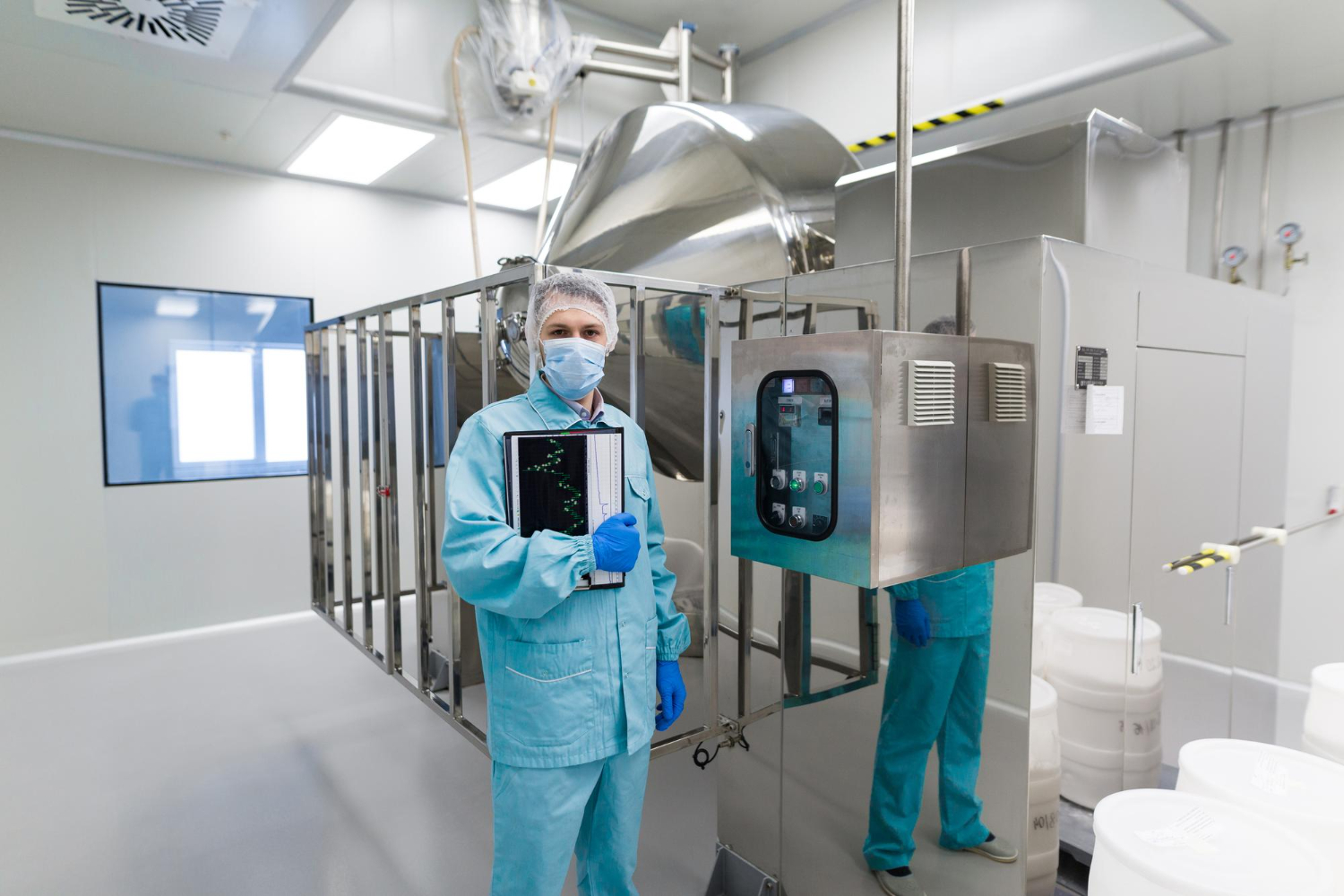
Achieving Healthcare Water Safety: Standards and Compliance
Keeping water safe in healthcare settings extends beyond taps and pipes. It is about protecting people who face a greater risk than the average population. In hospitals and aged care homes, water systems must meet strict safety standards to avoid serious consequences. Healthcare water safety compliance is not a one-off task. It is a constant responsibility, managed through regular testing, monitoring, and reporting under national guidelines.
Traditional methods are not always fast or reliable. Waiting on manual checks can leave gaps in data and limit how quickly teams can respond. Real-time monitoring changes this dynamic significantly. With continuous insight into system performance, issues can be flagged early and handled before harm occurs. Better still, operations leaders can now move beyond simply responding, using data to prevent risks from materialising in the first place.
Understanding the Risk Zones in Healthcare Water Systems
No two facilities are identical, but healthcare buildings all contain areas where water use varies or slows down. These spots can become breeding grounds for bacteria if the water is not moving or kept within the right temperature range.
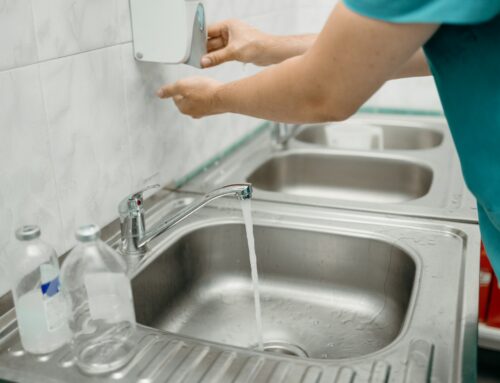
Unused outlets, such as taps in storage rooms or closed wings, may sit dormant and allow stagnation. Recirculating hot water systems that do not maintain target temperatures can encourage microbial growth. Showerheads and fixtures in aged care rooms must be managed with greater care, considering the vulnerability of residents.
Research confirms that Legionella pneumophila can persist in hospital hot water systems for years, remaining viable even at temperatures traditionally considered safe. These risk zones can often go unnoticed, especially when the wider system appears functional. If one point in the system allows bacteria to grow, there is potential for it to spread throughout the connected infrastructure. This is why proactive solutions and real-time alerts have become essential to healthcare water safety compliance.
A thorough understanding of these risk areas is crucial for facility managers. Staff should be trained to recognise where water may stagnate, and maintenance schedules should address seldom-used parts of the system. By combining practical checks with real-time data, it becomes easier to maintain a comprehensive view and catch any issues before bacteria can take hold.
Applying Compliance Standards: From ADWG to Section 22
In Australia, water quality in healthcare is governed by multiple regulations. The Australian Drinking Water Guidelines (ADWG) outline what counts as safe, not just for the general population but with consideration for people who need extra protection. These guidelines are built into many facility-level plans and are often applied alongside the Safe Drinking Water Regulations 2025 (SDWR 2025).
Section 22 of the Safe Drinking Water Act addresses what happens when drinking water contamination is suspected or confirmed. Officers must immediately provide a verbal report to the Department of Health, followed by written documentation as soon as possible. Regulation 20 requires that sample analysis results indicating non-compliance or health risks be reported within 10 days, including details of actions taken or proposed.
The challenge emerges when managers rely on paper-based recording or scattered spreadsheets. Preparing for audits becomes time-consuming. Historical data can be difficult to trace. Without time-stamped records, it is difficult to demonstrate when something actually occurred. This is where digital systems and compliance automation close the gap.
CCPWatch™ technology integrates with the Information Engine platform to deliver audit-ready recordkeeping, real-time reporting, and automated notification features, making Section 22 and Regulation 20 compliance more straightforward for facilities of all sizes. By shifting from manual tracking to digital automation, reporting requirements can be managed more efficiently and with greater accuracy.
Using Real-Time Monitoring to Strengthen Compliance
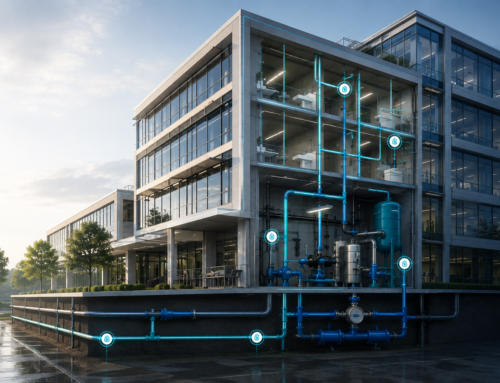
A well-instrumented hospital water system does not wait until something fails. It provides ongoing feedback about flow rates, temperatures, and whether disinfectant levels are where they should be.
When sensor data is pulled directly from Critical Control Points and fed through SCADA or PLC systems, it becomes possible to create a complete, live overview. CCPWatch™ is configured to poll every 2 minutes and automatically flag any values that move outside preset thresholds. If free chlorine dips below safe levels or hot water temperatures drop, alerts are dispatched immediately via SMS or email to both on-site staff and remote supervisors.
That kind of real-time monitoring does not just accelerate response times. It builds confidence that the system is performing as intended. It also simplifies how teams demonstrate compliance because the data is already collected, stored, and ready when needed.
The Information Engine platform connects seamlessly to existing SCADA or PLC environments, providing live water quality insight across all Critical Control Points. By actively monitoring all sections of a system, potential risks such as sudden changes in temperature or chlorine residual can be addressed in real time. This helps facilities not only meet but exceed safety benchmarks established by ADWG and SDWR 2025.
Moving Beyond Reaction: Predictive Analytics in Water Safety
One of the most significant shifts in water quality management is moving from reacting to incidents to preventing them before they occur. Predictive analytics makes that possible. By reviewing trends in the data over time, teams can identify parts of the system that may be drifting toward non-compliance before they actually fail.
A loop temperature that trends downward over weeks, a rise in turbidity that correlates with certain weather events, or a dip in disinfectant levels at the same time each day can all signal developing problems. This type of insight allows managers to make data-driven decisions about maintenance, such as when to flush lines or replace ageing infrastructure. It reduces unnecessary interventions, which saves labour and extends equipment life. Most importantly, it supports a preventative approach to water quality monitoring that protects the people who rely on the water being safe.
For healthcare facilities working toward Health-Based Targets, the Information Engine platform supports QMRA and DALY calculations, providing the quantitative framework needed to demonstrate that treatment barriers are achieving the required pathogen reduction outcomes, including 6-log virus, 5-log bacteria, and 4-log protozoa reduction targets.
Future-Proofing Hospital Water Systems Through Automation
As operational demands increase, healthcare facilities are expected to do more with less. Automating routine aspects of compliance, including logging, reporting, and alerting, helps free up staff to focus on risk control instead of paperwork.
Digital records tied to Critical Control Points support clear audit trails. Logs are automatically formatted for Section 22 and Regulation 20 submissions, reducing the risk of missed details or transcription errors. Role-based access permissions help different teams view what is relevant without manual sorting.
Having years of water quality history in a searchable format means there is no need to locate documents when inspections are scheduled. The system remains audit-ready at all times. As standards continue to evolve, automated reports can be updated without the burden of retraining staff from scratch.
Facilities can adjust these systems as regulations and internal requirements shift, maintaining compliance without overhauling their operations. This future-proofs investments in water quality monitoring, reduces the administrative load, and ensures long-term readiness.
Reinforcing Public Health Through Smarter Water Compliance
Water quality is not just a maintenance task in healthcare; it is part of patient safety. Data-led systems built on real-time monitoring, predictive analytics, and compliance automation are shaping a stronger, more responsive way to manage healthcare water safety compliance.
By moving away from manual logs and slow reaction times, operators have the tools to act fast and stay ahead of risk. This shift toward preventative solutions offers long-term confidence for facilities and the people who rely on them. Public health remains the number one priority, and it starts with safer water systems, monitored and maintained with more advanced technologies.
Ensure your facility is equipped to meet evolving safety standards with state-of-the-art solutions tailored to your needs. At D2K Information, we are committed to empowering healthcare facilities with tools and strategies that streamline operations while maintaining safety benchmarks. Explore how our expertise in healthcare water safety compliance can keep your water systems robust and compliant. Reach out to us today to transform your approach to water safety management.