Maintaining Clean Water Supply Networks for Industrial Use
Clean water is often taken for granted in industrial settings, yet it plays one of the most important roles in keeping operations safe, reliable, and efficient. Whether it powers cooling systems, supports food production, or enables chemical processes, water must be managed with care to avoid risk. As networks expand and infrastructure ages, and as regulatory and public-health expectations grow, modernised water quality systems are no longer optional.
That is where approaches like automated online measurements, early-warning analytics, and structured data management offer a clearer path forward. When risks can be detected and understood before they escalate, we shift from reacting to preventing. Water quality data management software helps bring structure to this process. Instead of sorting through old reports or scattered logs, operators gain timely insights that support safe, data-driven decisions.
Building Reliable Industrial Water Networks
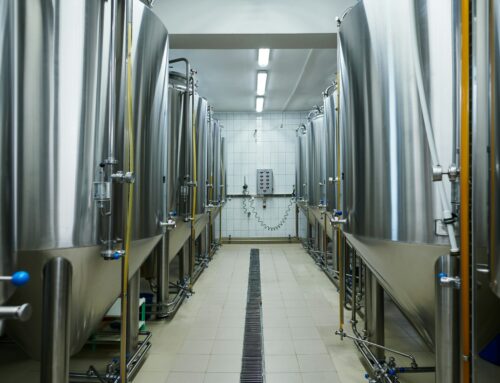
In sectors such as energy, food processing, and manufacturing, the demand for consistent water quality never stops. Systems must handle fluctuating loads, temperature changes, and highly specific production needs. A single pressure drop, valve fault, or rise in contaminants can disrupt entire operations.
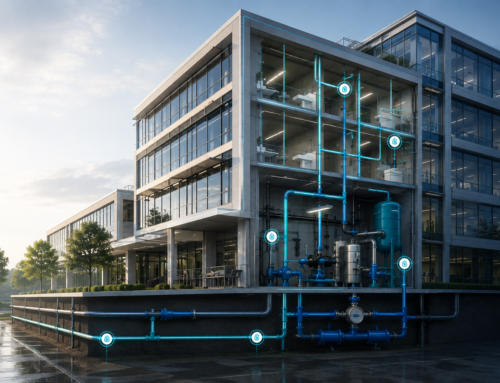
Industrial networks often span wide areas, with assets aging at different rates. Without early visibility into system health, issues may only be discovered after they cause downtime or contamination. A reliable network does more than deliver water. It delivers confidence. For facilities producing goods for human consumption or products requiring strict hygiene standards, water quality is directly tied to safety, compliance, and brand trust. Regulators and customers expect strong monitoring, accurate records, and transparent documentation.
The Shift Towards Real-Time Monitoring in Industrial Facilities
Traditional grab sampling and periodic lab testing remain essential, but they introduce unavoidable delays. Manual sampling depends on staff availability, paper logs, and laboratory turnaround times that may take days. By the time results arrive, the water in question has already moved through the system.
Automated online measurements reduce this lag significantly. Sensors track key parameters such as turbidity, pressure, temperature, or residual disinfectant at configurable intervals, from seconds to longer periods depending on risk and site needs. When any measurement falls outside expected limits, alerts go directly to the right teams through dashboards, SMS, or email, enabling timely process adjustments.
Modern data platforms also streamline reporting. Instead of exporting spreadsheets or assembling logs manually, the system generates daily records and audit-ready compliance outputs automatically. This reduces the risk of human error and builds clearer traceability for regulators and internal stakeholders.
Using Predictive Analytics for Proactive Network Health
Detecting a problem is good. Knowing that a problem is likely to occur is better.
Predictive analytics tools analyse historical and live data to identify trends that may indicate elevated risk. If pressure at a point in the network declines gradually over weeks, it may signal early clogging. If conductivity or dissolved solids rise near a pump seasonally, it may point to seal degradation. Trend-based models, including QMRA-aligned approaches, help operators see subtle patterns that manual reviews might miss.
This shift, from waiting for failures to anticipating them, supports more efficient maintenance, better process control, reduced downtime, and stronger public-health protection.
Meeting Australian Compliance Expectations with Smart Systems
Australian frameworks such as the Australian Drinking Water Guidelines and the upcoming Safe Drinking Water Regulations (SDWR) 2025 place strong emphasis on risk management, traceability, and accountability.
For Victorian water corporations, SDWR 2025 requires updating Risk Management Plans (RMPs) to align with microbial Health-Based Targets (HBTs) and beginning ongoing HBT shortfall reporting from 6 July 2026. Smart monitoring systems help operators meet these expectations by centralising measurements, streamlining daily logs, and generating secure, audit-ready records.
Facilities such as hospitals, schools, or aged-care sites also benefit from improved local oversight, especially for systems like warm water loops, but they are not the water supplier in Victoria and do not submit SDWR reports. Instead, they use monitoring tools to improve operational safety and internal compliance.
Automated reporting and secure recordkeeping reduce manual workload, improve data integrity, and simplify audit preparation.
Practical Steps to Modernise Industrial Water Monitoring
Upgrading monitoring capability does not require replacing existing control systems. Most modern solutions integrate directly with SCADA, PLCs, and telemetry, ingesting data streams to centralise analytics, alerting, and reporting.
A practical rollout often includes:
- Starting with a test area such as a small loop or single control point
- Installing integrated sensors that feed data into SCADA or PLC systems and cloud dashboards
- Configuring alert thresholds and training operators on response expectations
- Expanding monitoring zones based on risk priorities
Staged adoption helps teams see tangible benefits early, such as catching anomalies before they escalate or completing audits with fewer corrections, which builds confidence across the organisation.
Proven Monitoring Solutions for Safer Industry
D2K Information provides integrated hardware and software systems designed for continuous, remote water quality oversight. The Information Engine (IE) serves as the central platform for ingesting SCADA, PLC, and telemetry data across single-site or multi-site networks.
The CCPWatch module, available within the Information Engine, automates critical control point logging, alerts, and reporting. Custom dashboards and smart alarm logic give technical teams near-immediate visibility of developing issues while reducing manual workload and strengthening compliance documentation.
Safeguarding water quality is not only about technology. It is about peace of mind, operational resilience, and protecting people and assets. With expert consulting available to tailor each deployment, D2K Information supports industrial operators in achieving best-practice water management and regulatory alignment.
Bringing structure and speed to water oversight starts with having the right tools in place. When operating in a high-compliance environment where timing and traceability matter, choosing the right system helps you stay one step ahead. Our platform supports smarter responses through real-time alerts, built-in compliance automation, and reliable tracking. To see how our approach to water quality data management software can help you prevent issues before they happen, contact D2K Information today.