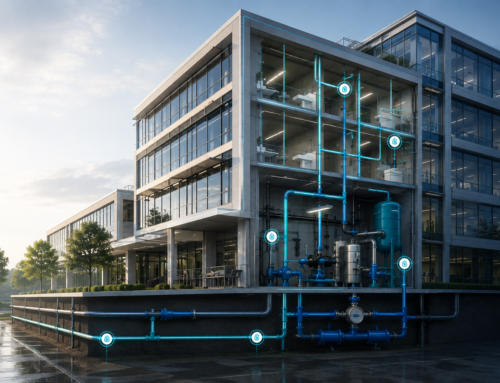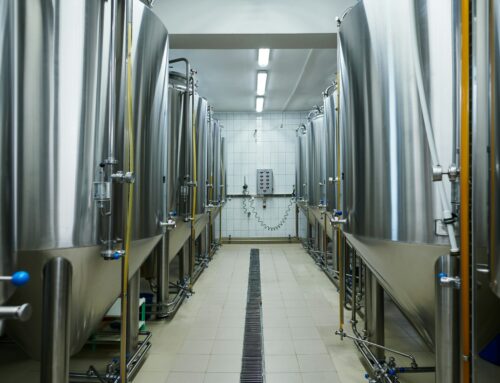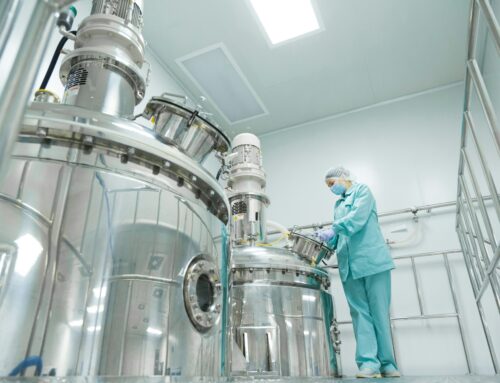
How Health‑Based Targets Turn CCP Data into Dynamic Risk Reduction
Australian healthcare facilities and water utilities face intensifying scrutiny under the Safe Drinking Water Regulations 2025, particularly regarding microbial risk management in systems serving vulnerable populations. For operations executives overseeing water infrastructure, traditional sampling methodologies fail to capture the dynamic nature of pathogen risk, leaving dangerous gaps between quarterly laboratory tests.
Health-Based Targets (HBTs) fundamentally reshape this risk landscape. Rather than accepting minimum compliance thresholds, HBTs establish quantifiable log-reduction objectives: 6-log for viruses, 5-log for bacteria, and 4-log for protozoa, as specified in the ADWG framework.
When integrated with continuous critical control point monitoring through automated systems, these targets enable facility managers to quantify, track, and mitigate microbial risk in real time, transforming compliance from a periodic checkpoint into continuous risk prevention.
Continuous Risk Assessment: The New Compliance Standard
Modern water quality management demands more than periodic verification. Healthcare facilities utilising automated monitoring platforms like CCPWatch within the Information Engine achieve continuous system oversight through configurable data capture intervals, from seconds to minutes, ensuring complete temporal coverage of water quality parameters.
This continuous data stream enables:
- Real-time Section 22 Documentation: Automated compilation of compliance reports with complete temporal sequences
- Predictive Threshold Management: Alerts triggered before operational limits breach critical boundaries
- DALY-Based Risk Quantification: Disability-Adjusted Life Year calculations providing health impact assessments
- Automated QMRA Processing: Quantitative Microbial Risk Assessment computations every 15 minutes
The Health-Based Targets module transforms raw CCP data into actionable risk metrics. By calculating pathogen-specific log reductions continuously and comparing against ADWG targets, the system provides immediate visibility into protection efficacy. This shifts operational philosophy from documenting failures to preventing them entirely.
Technical Foundation of Health-Based Target Implementation
Health-Based Targets require continuous validation of microbial barrier performance across treatment and distribution systems. Traditional heterotrophic plate count methods, requiring 48-72 hour incubation periods, cannot detect rapid quality deteriorations caused by:
- Hydraulic transients disrupting sediment or biofilms
- Chloramine decay in dead-end loops common in hospital plumbing
- Temperature stratification enabling Legionella amplification
- Cross-connection events introducing contamination
Advanced monitoring technologies address these limitations. Online turbidimeters detect particulate breakthroughs within seconds, while amperometric chlorine analysers track disinfectant residuals continuously. Flow cytometry provides total cell count enumeration in near real-time, identifying biological instability before culturable methods detect changes.
For healthcare facilities where immunocompromised patients face elevated infection risks, this temporal resolution difference becomes critical. Real-time monitoring enables intervention during the contamination event, not days after exposure has occurred.
Automated Compliance Architecture for SDWR 2025
Section 22 of the Safe Drinking Water Act 2003 (Victoria) mandates immediate notification and comprehensive documentation when contamination risks emerge. The 2025 regulations expand these requirements, demanding:
- Temporal data demonstrating detection-to-resolution timelines
- Validation of corrective action effectiveness
- Log-reduction performance against HBT benchmarks
- Complete audit trails for regulatory inspection
The Health-Based Targets module automates this entire compliance workflow. When CCP parameters indicate potential barrier compromise, the system:
- Captures pre-event baseline data
- Documents the excursion magnitude and duration
- Calculates real-time log-reduction impacts
- Generates HBT Statements with QMRA results
- Compiles Section 22-ready reports in PDF/CSV formats
- Maintains immutable records for audit purposes
This automation eliminates the manual burden of compliance while ensuring nothing is overlooked during critical events. For facilities managing multiple water systems across healthcare campuses, centralised compliance through the Information Engine provides unified oversight without additional staffing requirements.
Implementation Without Infrastructure Disruption
Healthcare facilities currently operating CCPWatch can activate Health-Based Target functionality through software configuration alone, preserving existing investments in monitoring infrastructure. The module leverages established SCADA/PLC connections, requiring no additional sensors or communication hardware.
Integration benefits include:
- Preserved Capital Investment: Existing telemetry and instrumentation remain fully utilised
- Rapid Deployment: Software activation is typically complete within days, not months
- Staff Continuity: Familiar dashboards enhanced with HBT metrics, minimising training requirements
- Scalable Architecture: Multi-site healthcare networks achieve standardised risk assessment
- Role-Based Access: Customised views for operations, compliance, and executive stakeholders
The Information Engine platform enables enterprise-wide analytics, allowing comparison of risk profiles across facilities. This visibility supports evidence-based capital planning and targeted infrastructure improvements where risk reduction delivers maximum public health benefit.
Predictive Analytics: From Reactive to Preventive
Real-time water quality monitoring generates substantial data streams that, when properly analysed, reveal risk patterns invisible to manual sampling programs. Machine learning algorithms within the Information Engine identify correlations between:
- Seasonal variations and pathogen risk elevation
- Hydraulic conditions and barrier performance
- Maintenance activities and water quality impacts
- Weather events and source water challenges
These insights enable truly preventative management. Rather than responding to contamination events, facilities anticipate and mitigate risks before they materialise. For healthcare facilities, this capability proves particularly valuable during high-risk periods such as summer Legionella season or wet weather events that challenge source water quality.
Engineering Excellence Through Continuous Vigilance
Water quality protection in healthcare settings cannot rely on intermittent sampling or delayed laboratory results. Health-Based Target monitoring integrated with real-time CCP surveillance delivers the temporal resolution and risk quantification modern facilities require.
By transforming compliance from periodic assessment to continuous validation, facilities achieve:
- Proactive Risk Mitigation: Issues identified and resolved before patient exposure
- Regulatory Excellence: Exceeding SDWR 2025 requirements through automated documentation
- Operational Optimisation: Data-driven decisions replacing reactive troubleshooting
- Public Trust: Demonstrable commitment to water safety through transparent monitoring
This approach positions compliance as a foundation for operational excellence rather than a regulatory burden. Public health as the number one priority drives every system design decision, supported by quantifiable risk metrics and automated safeguards.
Partner with D2K Information for Water Quality Excellence
Transform your facility’s water quality management from reactive compliance to predictive risk prevention. D2K Information specialises in implementing real-time water quality monitoring systems that deliver both regulatory compliance and operational excellence for Australian healthcare facilities and water utilities.
Our Information Engine platform with CCPWatch and Health-Based Targets modules provides the complete solution: automated QMRA calculations, Section 22-ready reporting, and predictive analytics that keep your facility ahead of risks. With 10-year data retention and role-based dashboards, your team gains the visibility needed for proactive water quality management.
Contact our specialist team today to discuss how automated monitoring can strengthen your water quality program while reducing compliance burden. Let us help you make public health protection an automated, continuous reality.