Ensuring Compliance with Section 22 of the Safe Drinking Water Act
Understanding Section 22 of the Safe Drinking Water Act is like knowing the playbook for protecting your facility and community. This section outlines key obligations to ensure that drinking water is clean, safe, and free from harmful contaminants. For facilities managing water, understanding these rules is more than helpful; it’s necessary for public safety, legal protection, and operational trust.
Compliance isn’t just about ticking boxes. It’s about staying in control of water quality at all times. Think of your system as a machine, where every gear has to be in place. A missed gear, a delayed test, or old methods can lead to missteps that affect people’s health. Today, water managers have a greater task than ever to stay ahead. Regulations aren’t standing still, and neither should compliance strategies. Being proactive is the only path forward to avoid unexpected risks and create a water system built on reliability and safety.
Understanding Section 22 of the Safe Drinking Water Act
Section 22 sets clear expectations for anyone responsible for supplying drinking water. It’s designed to preserve the safety of every drop that reaches a tap. These requirements define how water must be tested, how often it needs to be monitored, and which parameters need to stay within safe limits. More importantly, it holds facilities accountable by law, not just as a formality but as a real obligation that can invite penalties or legal investigations if not followed.
Why does this matter to your operations?
– Legal Compliance: You are bound by regulation to meet specific water quality standards. Non-compliance can trigger fines, prosecution, or even shutdowns.
– Public Health: This is the core of the law. Preventing contamination directly reduces health risks for the communities your facility serves.
– Community Trust: When your processes meet these standards day in and day out, the public gains confidence in your facility’s integrity and professionalism.
Regulatory updates come with the territory. Keeping track of potential legislative changes must be part of your operating procedures. Sometimes these updates introduce new scientific insights, new measurement parameters, or better technologies. Staying ahead is not just smart; it’s a necessary part of being a leader in public health responsibility. A water facility that knows Section 22 inside and out has the advantage not just in compliance but credibility, respect, and operational certainty.
The Role of Real-Time Monitoring in Compliance
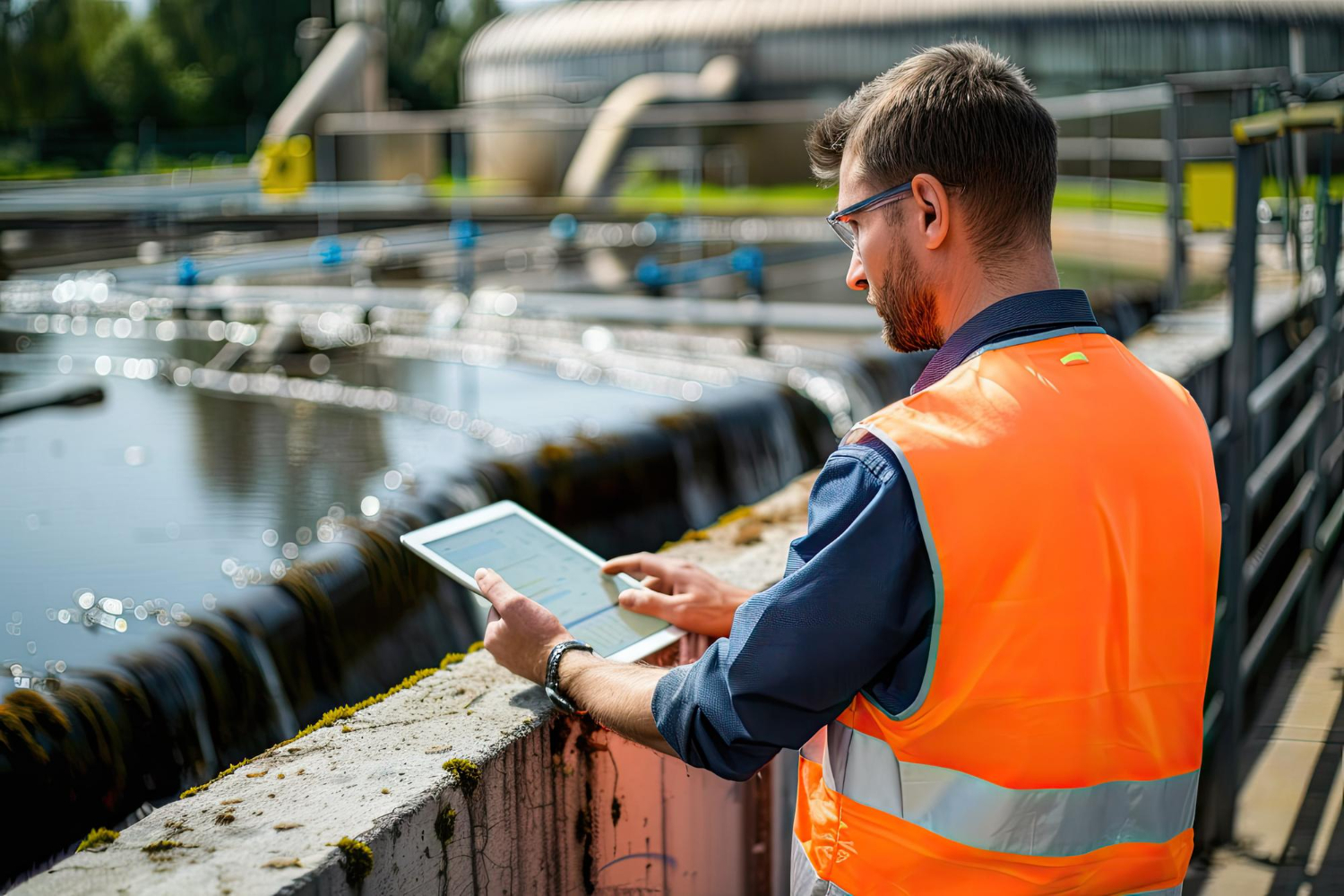
Adherence to Section 22 calls for immediate awareness of what’s happening in your system. That’s where real-time monitoring comes in. Instead of waiting for test results or performing manual inspections with potential lag, automated systems track everything live. This means you can identify risks at the exact moment they occur and take fast, decisive action.
Here are some ways real-time monitoring can transform your compliance approach:
– Immediate Alerts: Monitoring tools provide alerts right away when water parameters move out of safe ranges. These warnings help you act before minor changes become serious breaches.
– Predictive Analytics: These systems don’t just report what’s happening now. They observe trends over time and forecast where problems might develop, helping you take preventative steps before issues even emerge.
For example, if your facility uses a system that checks parameters every two minutes and alerts your team by SMS when something shifts, you’re not dependent on lagging reports. Your team can respond to events before they escalate, and that keeps your reports clean and your risks low.
Real-time monitoring works like an early detection system. It’s the difference between being alerted before a risk turns into a failure and only learning about the problem when it’s already made the news. With the right systems, you have the foresight and control to meet standards, avoid breaches, and operate with greater confidence.
Implementation Steps for Achieving Section 22 Compliance
Getting compliant doesn’t have to mean tearing everything down. It usually comes down to making strategic upgrades where they count. Here’s a straightforward approach to setting up your facility for success with Section 22:
1. Assess Current Systems: Begin by evaluating your existing monitoring tools. Identify where delays, gaps, or outdated methods might be creating blind spots in your compliance tracking.
2. Select Purpose-Built Monitoring Tools: Choose systems that are built specifically for water quality management and that align with Australian Drinking Water Guidelines and Section 22 reporting. Real-time alerts and predictive analytics are must-haves.
3. Create a Plan: Outline exactly how and when you’ll roll out the new workflow. Assign responsibilities so the right people are accountable at each stage. Build the rollout into phases where needed so key operations aren’t disrupted.
4. Train Your Team: Equip your staff with the training they need to operate new systems with confidence. When staff are involved early and clearly understand the ‘why’ of each tool, uptake becomes easier.
5. Monitor and Adapt: The first few weeks are vital for identifying new efficiencies or pain points. Track compliance reports, user feedback, and incident logs to fine-tune the system.
You might encounter some friction, including staff pushback or unfamiliarity with tech. This is normal but shouldn’t hold you back. Keep your team involved, simplify where possible, and underline the shared commitment to public safety that drives the change.
Long-Term Benefits of Maintaining Section 22 Compliance
Once your systems are up and running, the benefits go well beyond meeting your next audit. Facilities that maintain steady compliance are positioned to lead the way in water management. They show that safety and innovation don’t have to be at odds.
Some ongoing advantages include:
– Stronger Risk Management: Real-time monitoring helps spot threats early, giving your team time to act. This means fewer emergency responses and more preventative measures.
– Smarter Use of Staff Resources: Automating routine reports and flagging issues in real time allows your team to focus on strategic, high-impact work rather than chasing paper trails.
– Future-Proofing Operations: With a data-rich system in place, your facility evolves over time. You’ll have better context when policies change, when upgrades are warranted, or when stakeholders seek transparency.
Think of compliance automation not as a box-ticking tool but as your main partner in operational control. It builds a frame of reliability, setting your facility apart as capable, professional, and safety-focused.
Securing Your Facility’s Water Quality Future
Section 22 plays a vital role in upholding trust in our national water systems. It reminds facility operators that protecting health is always the priority, and that safety must be baked into operations, not added as an afterthought.
Facilities that treat Section 22 with care are doing more than keeping up with the rules. They’re showing a deep respect for their community, their workforce, and their responsibilities. With better tools, you’re not just improving operations, you’re improving outcomes.
A preventative approach, enabled through real-time monitoring, predictive analytics, and streamlined reporting, shifts your team out of reactive mode and into a forward-thinking posture. Instead of fearing the next audit or chasing problems, you become the source of confidence and control your facility relies on.
By investing in compliance automation now, you position your site for long-term certainty. You protect public health, reduce risk exposure, and keep people safe, all while allowing your team to work smarter with fewer surprises.
It’s clear that keeping up with current standards is key to maintaining safe water and protecting public health. As these demands grow, ensuring your facility is equipped with effective systems becomes more important than ever. Let D2K Information support your facility with the right tools to stay ahead. Our proactive solutions are designed to help you meet all compliance requirements with confidence. Discover how our real-time water quality monitoring system can improve operational control and reduce risk. For more insights, connect with us through our Get in Touch page.