Safeguarding Metro Hospitals: Preventing Legionnaires’ Disease
Legionnaires’ disease, stemming from Legionella bacteria that flourish in water systems, poses a significant threat to hospitals. Hospital water delivery systems are particularly vulnerable to Legionella due to their complexity and the high temperatures conducive to bacterial growth.
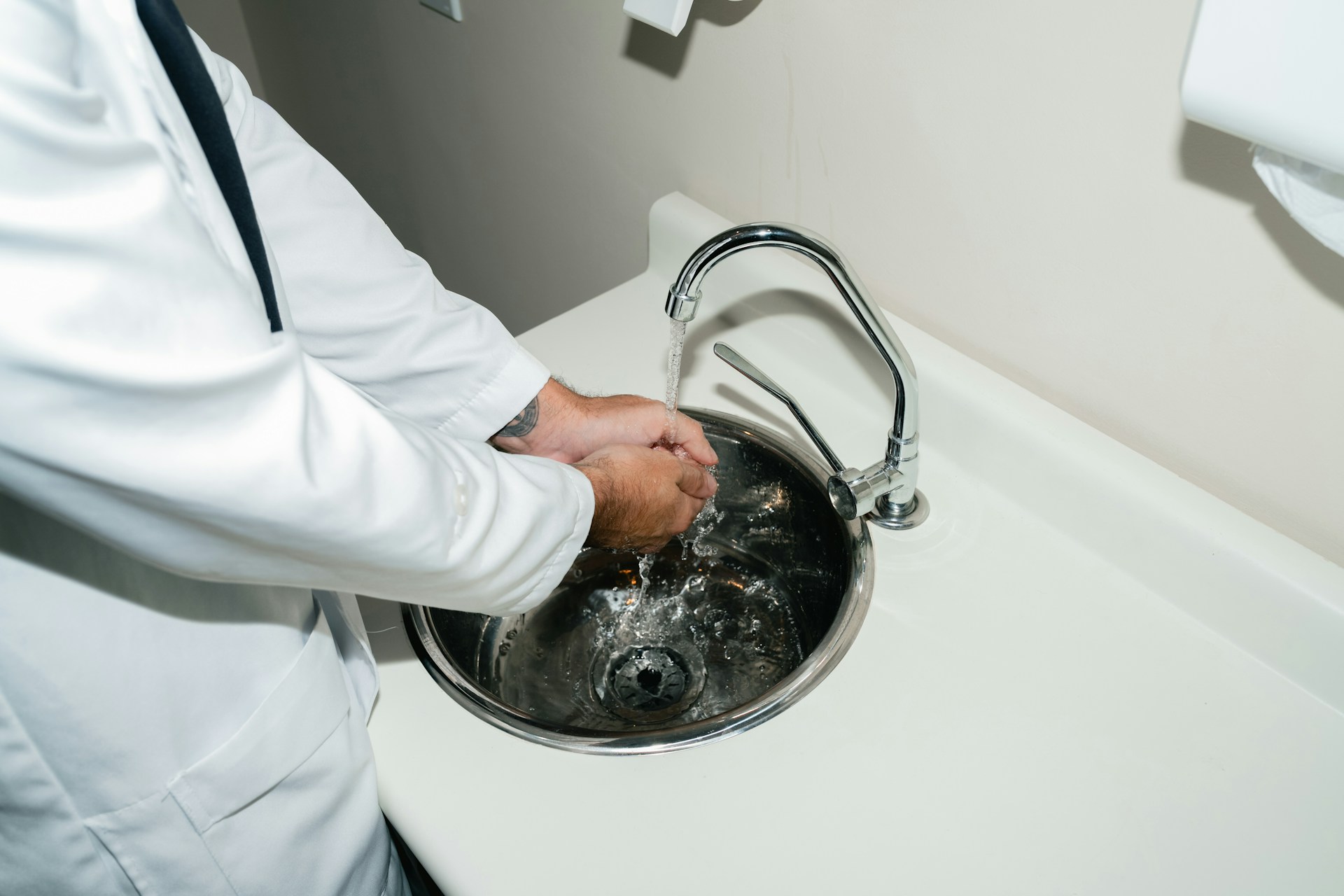
Clean water is a hospital’s first line of defence against Legionnaires’ disease, so regular monitoring and early detection are crucial. However, some hospitals are still stuck with manual processes that often fail to provide timely warnings, endangering patients and staff.
At D2K, we’ve built an advanced real-time monitoring and data analytics solution designed to safeguard hospital water systems. By providing early detection of potential Legionella risks, our solution empowers facilities and water compliance teams to proactively maintain water quality and adhere to Australian water quality standards.
This proactive approach protects vulnerable patients and ensures a healthier, safer environment. Ensuring water safety in hospitals is not just a compliance matter; it’s crucial for public health.
Understanding the Risks of Legionnaires’ Disease in Hospitals
Legionnaires’ disease can cause severe pneumonia-like symptoms, leading to hospital stays and even deaths. Although treatable with antibiotics, certain people are more at risk of catching Legionnaires’ disease than others.
An infection can lead to several health risks, especially for patients with weak immune systems. Symptoms include high fever, cough, muscle aches, and shortness of breath. Severe cases can lead to pneumonia, requiring intensive treatment, affecting recovery times, and using up hospital resources.
Outbreaks can also halt hospital operations, leading to ward closures, costly decontamination procedures, and potential lawsuits and fines. Managing these outbreaks is expensive and disrupts the quality of patient care hospitals aim to provide.
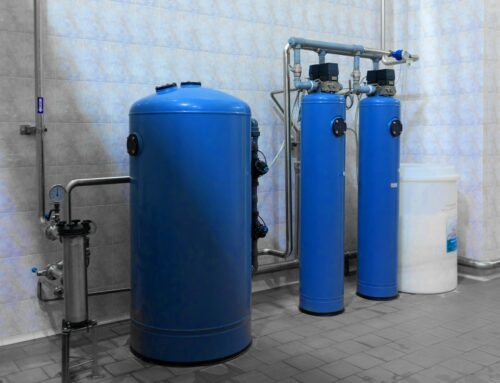
The Legionella bacteria can spread through small water droplets in showers, faucets, ice machines, and air and cooling towers, which are common sources of infection. Hospitals tend to have ageing and complex plumbing systems, creating many places where Legionella can grow.
Warm water temperatures and stagnant sections in plumbing systems are ideal conditions for bacteria. Therefore, monitoring the water systems regularly for any sign of contamination is a critical step, in addition to routine preventative measures such as regular pipe flushing and equipment sterilisation.
The Limitations of Manual Monitoring Approaches
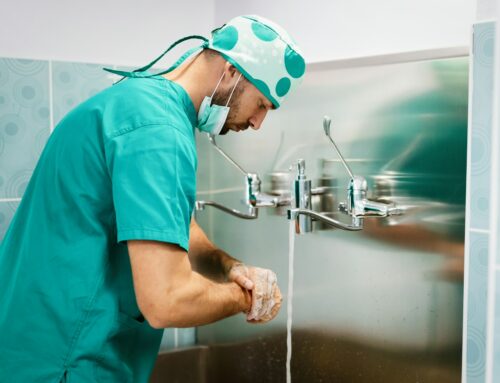
Traditional hospital water monitoring methods rely heavily on manual checks and periodic water sampling. These methods are often slow and can miss early signs of contamination. By the time Legionella is detected, it may already be too late. Slow detection times mean bacteria can multiply and spread before any action is taken, leading to more severe outbreaks.
Plus, the reliance on manual processes introduces a high chance of mistakes. Staff must physically collect samples, wait for lab results, and analyse results, which can introduce human error.
Failure to detect and respond quickly also complicates compliance with health regulations. Hospitals must adhere to strict standards for water quality, and delayed action can lead to non-compliance. This exposes hospitals to fines and legal issues, adding to the financial burden.
It’s clear that a more effective solution is needed. Moving towards real-time monitoring can offer the necessary protection to keep hospital water systems safe.
How D2K’s Water Management System Prevents a Legionnaires’ Disease Outbreak
D2K’s Information Engine™ provides continuous, up-to-the-minute data on water quality, allowing hospitals to detect Legionella and other contaminants before they become a major health risk. Real-time alerts enable your organisation to assess and respond quickly to any issues, reducing the risk of outbreaks.
The system also reduces manual processes, eliminating the need for labour-intensive checks and data analysis. The automated process ensures data accuracy and reliability, so there’s no room for human error.
Information Engine™ is also designed to help hospitals comply with relevant Australian water regulations and local reporting requirements. The Australian Drinking Water Guidelines (ADWG) set the standards for water quality across the country. They outline acceptable levels of various contaminants, including Legionella, and provide detailed methods for monitoring and testing water quality.
More importantly, we can tailor a solution to a hospital’s specific water delivery systems, regulation and reporting requirements, and organisational goals, so you can focus on providing excellent patient care without worrying about water quality issues.
Conclusion
Monitoring a hospital’s water systems is essential for preventing Legionnaires’ disease and protecting patient health. Manual and periodic water monitoring is slow and error-prone, leaving hospitals to react to problems after they arise rather than preventing them proactively.
Consider implementing our advanced real-time water quality monitoring solution in your hospital for a safer, more efficient way to manage water quality. Contact D2K Information today to schedule a demo and see how our technology can help you ensure the highest water quality standards.