Infrastructure Investments: How Sydney Water Is Preparing for Growth
Greater Sydney is growing, and this expansion brings opportunities and challenges, especially for water operators and local authorities.
One of the biggest challenges is balancing growth with compliance, a task that’s made more difficult due to evolving regulations. Urban sprawl, infrastructure development, population growth, and climate variability are also compounding factors in planning a sustainable water future. But while there’s a growing focus on expanding supply and storage capacity, one crucial piece of the puzzle is often overlooked: maintaining consistent water quality.
Real-time water quality management plays a pivotal role here, allowing city planners and water managers to make informed decisions quickly. This approach enhances water quality and ensures that public health remains the top priority. With significant investments and modern technology, catering to future demands becomes easier.
Sydney’s Growth and Water Future
Greater Sydney is experiencing rapid population growth and urban expansion, with forecasts suggesting the population will reach 6.3 million by 2041. As councils plan for more housing, industry, and infrastructure, the pressure on delivering high-quality water will intensify.
Sydney Water announced it will invest $26 billion over 10 years, from 2025 to 2035, to accommodate the growth. This includes building new wastewater and stormwater infrastructure, improving existing water delivery networks, upgrading treatment plants, and expanding water recycling efforts while protecting the environment.
Modernising Sydney’s water infrastructure is about more than just meeting current needs. It’s about future-proofing the city against potential water shortages. New technological developments allow for more efficient water use and reduced wastage to ensure that Sydney residents never feel the pinch of water shortages. By investing now, we can safeguard the city against a potential future water crisis.
Challenges in Maintaining Consistent Water Quality
Maintaining water quality in Sydney requires a multi-layered approach. Water authorities must actively monitor thousands of kilometres of waterways and pipes, respond quickly to contamination events, and maintain ageing infrastructure while keeping costs reasonable for consumers.
Some of the key challenges include:
- Climate change: Droughts, bushfires, and heavy rainfall can disrupt water quality. For example, ash and debris elevated nutrient levels in some reservoirs after the 2020 bushfires, leading to the formation of harmful algal blooms
- Ageing water infrastructure: Much of Sydney’s water infrastructure is decades old. Leaks, pipe failures, and cross-contamination risks are more likely to occur in ageing systems.
- Catchment protection: As land is developed for more housing and industrial areas, protecting the natural function of water catchments becomes more difficult.
- Pollution from human activities: Illegal dumping, industrial waste, and poor construction practices can all introduce harmful contaminants into the water system.
How Water Quality Help Meets Consumption Demand and Sustainability Goals
Expanding cities place heavy demand on existing resources, and deteriorating water quality can quickly reduce the availability of safe, usable water. If catchments become polluted or contaminated, it will be costly to treat water sources effectively. This places an even greater burden on already stretched infrastructure. Thus, effective water quality management strategies underpin an efficient water system. Below, we list how:
1. Maximises Use of Existing Water Sources
Poor water quality can render sources, such as rivers, lakes, and reservoirs, unusable. By maintaining quality, more water remains available for consumption, agriculture, and industry, alleviating the pressure to find new sources.
2. Reduces Water Treatment Costs
Clean source water requires less intensive and expensive treatment to meet drinking water standards. Water can be treated and distributed affordably and efficiently to meet the demands of a growing population.
3. Prevents Water Scarcity and Ecosystem Degradation
Polluted water bodies can become depleted or ecologically damaged, reducing their long-term supply capacity. By preserving quality, we also preserve ecosystems to continue providing natural water purification, recharge, and storage functions.
4. Supports Reuse and Recycling Efforts
High water quality allows for safe recycling and reuse of water for non-potable usage, reducing the overall demand for fresh water. Water recycling projects are critical in urban areas with high population growth.
5. Protects Public Health
As populations grow, the impact of waterborne diseases becomes more significant, so it’s crucial to prevent outbreaks. Maintaining water quality ensures a safe supply, reduces disease outbreaks, and eases the burden on healthcare systems.
6. Meets Agricultural and Industrial Productivity
Clean water is also essential for farming and manufacturing. A growing population requires more food and goods, which rely on consistent access to high-quality water. Strong water quality management also contributes to a more sustainable ecosystem needed to support these industries.
Investing in Water Management Technologies
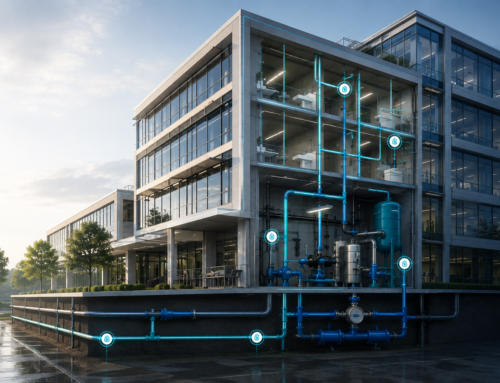
To manage growing demand without compromising quality, it’s essential to continue investing in modern technologies such as smart sensors for live monitoring and an advanced water management platform that can analyse live data and send automated alerts. AI-driven tools can also predict water quality issues before they occur, guiding maintenance schedules and treatment adjustments.
These tools not only increase efficiency but also allow water operators and local councils to build adaptive, future-proofed systems that can scale with Sydney’s growth.
Information EngineTM: Real-Time Monitoring and Predictive Analytics
Real-time monitoring and predictive analytics can transform how you manage water quality. Our proprietary water management solution, Information Engine, delivers a forward-thinking way to address challenges by allowing swift responses to potential issues. When your organisation can monitor in real time, you’ll shift from being reactive to proactive.
Furthermore, predictive analytic features allow you to analyse past and present data to forecast future trends. By predicting possible disruptions, you can take preventive measures to maintain water quality and meet compliance standards.
For instance, real-time sensors in a treatment plant might detect an unusual change in water clarity. Instead of waiting for routine checks, operators receive instant alerts and can respond quickly. This proactive method keeps Sydney’s water systems reliable and safe.
With access to accurate analysis, you can also identify gaps in the water delivery system, current protocols, and risk mitigation plans. This valuable information will help your organisation be more productive and efficient, leading to better outcomes for the business and consumer.
Conclusion: Securing Sydney’s Water Future
As Sydney grows, securing a sustainable and high-quality water supply becomes a more pressing responsibility. Investing in modern water management technology offers long-term benefits, such as safeguarding public health and boosting the city’s resilience against potential water-related disasters.
A real-time water quality monitoring system helps address current challenges and prepares the city for future demands. Explore how D2K Information supports forward-thinking leaders with practical, data-driven solutions that enable better compliance and public health outcomes.