Real-Time Monitoring: Ensuring Safe Water in High-Rises
Maintaining water quality in urban high-rises, such as apartment blocks, hospitals, hotels, and office towers, can feel like juggling too many things at once. Delivering safe, clean water can be tricky in tall buildings, where water systems stretch across dozens of floors and plumbing systems may be complex and old.
Data-driven solutions offer a better approach to managing water quality by focusing on prevention rather than reaction. By implementing an advanced water management solution, building managers and water safety officers can stay a step ahead, safeguarding every tenant in the building while staying compliant with the latest regulations on water quality.
Understanding Water Quality Challenges in Urban High-Rises
Maintaining optimal water quality in high-rise buildings presents a unique set of challenges due to the complexity and scale of their water systems, often far more complex than in smaller, low-rise structures.
One of the challenges is water stagnation and fluctuating temperatures throughout the water network. Infrequently used units or dead-end pipes allow water to sit for extended periods, while inconsistent water temperatures, especially in hot water systems, provide ideal conditions for bacterial proliferation.
Legionella is a bacterium that can cause Legionnaires’ disease, a severe form of pneumonia. It thrives in warm waters and can proliferate in cooling towers, hot water systems, and sprawling plumbing networks. These environments provide the perfect breeding ground, and without proper checks, Legionella can multiply before building managers can detect them.
Water pressure also plays a critical role. High-rises rely on pumps and pressure-reducing valves to maintain flow across multiple floors. If not correctly balanced, this can lead to pipe bursts or inadequate flushing of contaminants.
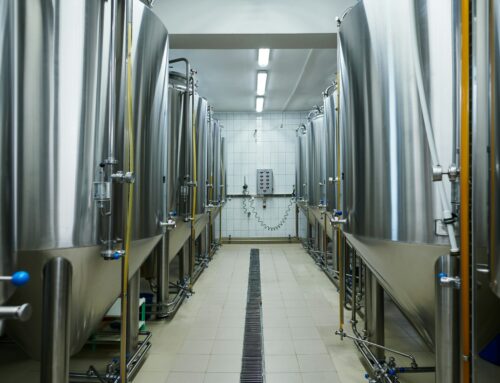
Furthermore, storage tanks, often located on rooftops or intermediate levels, can accumulate sediment and biofilms if not regularly cleaned and inspected. Ageing infrastructure also presents additional risks. Corroded pipes and equipment can introduce contaminants, such as lead, iron, and copper, into the water system.
Given the complexity of high-rise plumbing, routine monitoring and testing should be mandatory. However, many buildings still lack comprehensive water management plans or sufficient real-time monitoring tools.
The Role of Real-Time Monitoring in Maintaining Water Quality
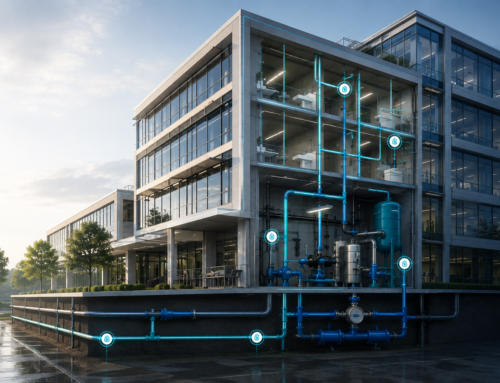
A real-time water quality monitoring system gives building managers and facilities teams the tools to proactively manage water safety and compliance in complex high-rise plumbing systems. These systems use sensors placed strategically throughout water networks to pick up on any abnormal changes.
Instead of relying solely on periodic manual testing, which may miss critical issues, real-time monitoring provides continuous data on key parameters such as temperature, pH, turbidity, and chlorine levels. This constant stream of data allows teams to detect issues as they arise, such as temperature surges that could encourage bacterial growth or stagnation in pipes that haven’t been flushed.
When something’s amiss, the system can send alerts automatically to relevant parties for further investigation. This level of vigilant oversight ensures that any potential signs of water contamination are detected early, keeping the environment safe for residents and visitors alike.
Real-time systems also simplify compliance reporting. With accurate, time-stamped records, building managers can demonstrate due diligence and adherence to water quality standards. In addition, intelligent monitoring tools help optimise system performance. By identifying operational inefficiencies, managers can reduce energy and maintenance costs, schedule targeted flushing, and prioritise upgrades where they’re most needed.
Expert Recommendations for Long-Term Water Safety
Ensuring long-term safety in high-rise water systems hinges on proactive management and accurate insights. Experts suggest a three-pronged approach: consistent data analysis, regular system reviews, and the use of advanced technology. This ensures safety measures evolve alongside any challenges that emerge.
The right water management technology will empower building management teams to respond quickly and adapt to changing conditions. By understanding their building’s unique needs and potential risks, teams can tailor their approaches, reducing the risks of waterborne outbreaks. Regular training for maintenance teams is also key, as staying informed about the latest practices helps maintain a preventative approach.
Building managers who want to implement advanced monitoring systems should consider assessing the current water systems first to identify potential problem areas. Think of it as giving the building a health check-up. Next, choose a smart monitoring and management software that integrates smoothly with existing infrastructures, offering ease and adaptability.
Once implemented, these systems need regular maintenance and oversight to stay effective. This includes routine calibration of sensors and regular software updates. Ongoing staff training and periodic system reviews also help maintain performance and compliance.
Conclusion
Ultimately, ensuring safe, clean water in high-rise buildings requires a proactive and comprehensive water management plan, including real-time monitoring, flushing, frequent checks, and system maintenance. Real-time monitoring can help management teams detect potential issues before they escalate.
At D2K Information, we recognise the importance of water quality monitoring for delivering clean water in high-rise buildings. To learn more about optimising your building’s water safety, contact us today, and we’ll do our best to resolve your unique challenges.