Building Resilience: Addressing Drought Impacts on Water Quality
Local governments in drought- and flood-prone regions have distinct water quality management challenges at hand. Firstly, prolonged periods of low rainfall and high temperatures can lead to serious water quality issues. The lack of rainfall reduces water availability, impacting both supply and quality. Lower water levels during dry spells can also lead to a more concentrated level of pollutants in the water and higher levels of toxicity.
Secondly, stagnant water bodies can become breeding grounds for harmful bacteria and algae. Warm temperatures and slow-moving water are ideal conditions for these microorganisms to proliferate.
Flooding events, on the other hand, bring a different set of risks. A sudden deluge of floodwater can overwhelm treatment plants and stormwater systems, pushing untreated water into reservoirs and rivers. It can also introduce pathogens and chemicals from other areas and damage critical water infrastructure such as sensors, pipes, and pumps.
Therefore, it’s crucial to build resilience against weather extremes. The recommended practice for safeguarding your water systems is to have proactive monitoring, response, and reporting. One solution is to implement a predictive, real-time framework supported by smart technology because reactive testing and response simply aren’t cutting it.
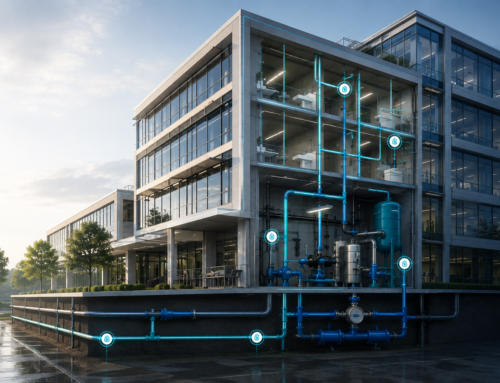
An advanced water management system can help local governments and councils monitor water quality more effectively during extended dry spells and flooding events. For starters, real-time monitoring can track various water quality parameters such as pH, temperature, and contaminant levels.
An effective water management solution can integrate data from multiple sources, making it easier to manage and interpret information. These systems can send alerts when certain parameters exceed safety thresholds. They also simplify data logging and regulatory reporting, ensuring compliance with Australian water quality standards.
Coupled with advanced data analytics, you can also forecast future risks based on current trends. By using historical data and advanced algorithms, these systems can predict potential contamination events, allowing you to take proactive measures and prevent potential health risks before they escalate.
Steps for Building Resilience in Your Water Management Strategies
Building resilience in water management requires a multifaceted and proactive approach. Here are critical steps to consider:
1. Evaluate current systems.
A critical first step involves a deep dive into your existing water management processes, such as the effectiveness of current monitoring and reporting mechanisms. You’ll need to identify both the strengths and weaknesses and prioritise them so you have a good idea of where you can start improving.
2. Implement automated systems that enable live monitoring and analysis.
Establishing a central system will help streamline and optimise your water quality management. A cloud-based water management solution can pull in data from various sources and locations to enable real-time data monitoring.
Furthermore, investing in a sophisticated data analytics platform will help you to quickly process vast amounts of data to identify trends, predict potential issues, and optimise water treatment processes. For instance, AI algorithms can predict the likelihood of harmful algae blooms based on environmental conditions, allowing for preventative measures.
3. Invest in comprehensive training for staff.
The successful implementation and effectiveness of advanced technologies depend on how well-trained and knowledgeable the workforce is. You’ll want to provide regular training on the operation and maintenance of new technologies and emergency response protocols. This also includes training for cross-functional teams to ensure operations can still continue during staff shortages or emergencies.
4. Cultivate proactive community engagement.
Building resilience also requires the active participation and cooperation of local communities. You should consider educating residents and businesses on the importance of water conservation, responsible water usage practices, and the potential impacts of their actions on water quality, especially during challenging periods like droughts. Public awareness campaigns can highlight the importance of protecting local water sources and the long-term benefits of resilient water management strategies.
5. Establish a cycle of regular review and continuous optimisation.
Water management is a dynamic operation influenced by climate change, population growth, and evolving regulatory requirements. It’s critical to continuously assess and improve your water management strategies.
By regularly reviewing processes, workflows, and measures, you can adapt your strategies based on new information, current regulations, and emerging technologies. This iterative approach ensures that water management practices remain relevant, effective, and aligned with the latest scientific understanding and best practices.
Conclusion
Maintaining water quality in areas with unpredictable weather can be difficult. However, local governments can mitigate these issues by adopting innovative water monitoring and management tools. To stay ahead in managing water quality, do contact D2K and see the range of water quality solutions we have that help you ensure safe, sustainable water supplies for local communities.